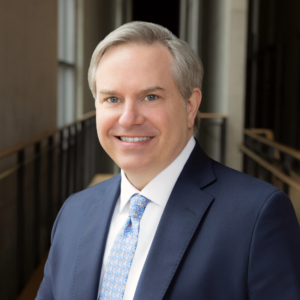
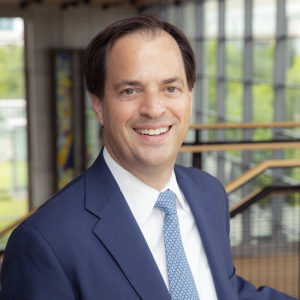
In this episode, hosts Brad and Michael are joined by Dr. Alan Durkin, board-certified plastic surgeon and founder of Ocean Drive Plastic Surgery and MedSpa Network. Dr. Durkin shares insights into his journey from reconstructive cancer surgery to building a destination plastic surgery center. Learn how rethinking med spas as health care delivery systems can drive surgical growth. Discover how blending insurance and aesthetic services can unlock innovation, improve outcomes, and fuel long-term business success.
Listen to the full episode using the player below, or by visiting one of the links below. Contact ByrdAdatto if you have any questions or would like to learn more.




Transcript
*The below transcript has been edited for readability.
Intro: [00:00:00] Welcome to Legal 123s with ByrdAdatto. Legal issues simplified through real client stories and real-world experiences, creating simplicity in 3, 2, 1.
Brad: Welcome back to another episode of the Legal 123s with ByrdAdatto. I’m your host, Brad Adatto, my co-host, Michael Byrd.
Michael: As a business and health care law firm, we meet a lot of interesting people and learn their amazing stories. This season’s theme, Brad, is Unintended Consequences. We sometimes find ourselves in a situation that can be traced back to a seemingly inconsequential or unrelated decision.
Brad: Yes and I’m very excited to have a conversation with our guests today because it seems like we’ve had a lot of unintended consequences getting him on today but he’s going to join us, it’s going to be great.
Michael: I’m excited to have a long-time client joining us but Brad, [00:01:00] we got some important things to deal with first.
Brad: Okay.
Michael: We need to get into something. It’s time for you Brad to, I need to make sure you’re up to speed on the trending pop culture terms and their meanings.
Brad: Well we’ve discussed this in a few prior episodes and as always they all sound like a foreign language to me, Michael.
Michael: I know I’m trying to keep you young Brad and it is very hard work. I am fighting the current of your incessant dad jokes and your gray hair.
Brad: You mean my handcrafted, thoroughly thought through, thoughtful dad jokes?
Michael: Hmm, yeah we’ll see. Okay, well I’m going to start with a couple of terms, have you heard the term “theatrical productivity?”
Brad: Yes, I actually think about a hamster on a hamster wheel well but let everyone else know what it means.
Michael: I’m learning from my kids so I didn’t know, [00:02:00] I had to look it up myself, but it’s the art of making yourself appear busy. It’s the drama in quotes of making yourself kind of feel like you’re constantly in motion thinking like color coded calendars long slack messages unnecessary Zoom calls and you know the perfectly posted “I’m grinding” social media post. You know what I think of with our generation? Original credit to George Costanza when he was working for the Yankees.
Brad: Yes, George, there’s some great quotes from that show period, from Seinfeld, but thinking about George’s work in the New York Yankees. For those who don’t remember he worked as the assistant to the traveling secretary very important job for the New York Yankees.
Michael: I forgot that title. Okay, next term, have you heard the term “Gen Z stare?”
Brad: No, [00:03:00] but is it anything like the thousand yard stare that people use describe combat veterans if they experience either shell shock or stress from combat?
Michael: Well I’ve never thought of that they actually might be cousins let me define it.
Brad: Okay.
Michael: So this is a viral internet expression referring to the way Gen Z and this is especially on TikTok you know it’s not a watch it’s a social media platform. Yeah so it’s when they appear on camera and so the reputation of Gen Z is they have this deadpan, emotionless, unsmiling, and unbothered attitude often while delivering a sarcastic or hyper aware commentary it’s kind of the opposite of the Millennial “cheese” for the camera energy that you see on social media. I’m still participating because I’m ironically self aware [00:04:00].
Brad: Yeah I feel like that’s a conversation I have with my daughter all the time where she’s staring at me like that.
Michael: Yes, yes same.
Brad: But I guess it is somewhat like the “thousand yard stare” for Gen Z but there’s humor involved.
Michael: Umm yeah a little, it doesn’t feel humorous. One more, okay, have you heard of “aura farming?”
Brad: Negative. What is it?
Michael: Okay, well so “aura” is like the big term that Gen Alpha has been using and it’s becoming more and more, and now that you’ve heard it here you’re going to hear it in day-to-day.
Brad: Okay good.
Michael: Aura farming means that you’re curating your vibe or aesthetic online. So as an example right, Brad if you were to go online which I know that’s a stretch.
Brad: Giant stretch.
Michael: And to post a picture of yourself and you wanted to make sure you had on your jean shorts and your New Balance shoes you will be aura farming your dad joke aesthetic.
Brad: [00:05:00] Very lucky for me I never post online, and I don’t own jean shorts-.
Michael: Those are back in style I’ve heard, but that’s a different conversation.
Brad: New Balance? So this trend I have to learn about or it will be obsolete in the next fifteen minutes.
Mihcael: All right let’s get into the story I think we’ve defined enough.
Brad: Yes, yeah we need to bring on today’s guest.
Michael: Joining us today is Dr. Alan Durkin he is the founder and owner of Ocean Drive Plastic Surgery in Vero Beach, Florida. He is as we say in our shows a “Doctorpreneur” in the plastic surgery world and the medical spa world with a heavy focus on training and education he is a board certified plastic surgeon with an undergrad Magna Cum Laude degree from the University of Miami. He has a masters from the University of Chicago, MD from the University of South Florida, and he is a faculty member and clinical assistant professor of plastic surgery at Florida State University, Alan thanks for being here!
Alan: [00:06:00] Absolutely, no thanks for having me guys.
Brad: Well we’re going to hit you the very hard question right up front, are you up to speed on those terrible trending terms that Michael was citing to earlier?
Alan: I absolutely am and listen so, Brad I understand about the jean shorts let’s not forget about jeggings, okay? Those are still around and so you know if we’re not going to go with short shorts and the ”Daisy Dukes”, jeggings, I think jeggings might be the answer like you know so as your plastic surgeon I feel like jeggings should get its moment in the sun. Gentlemen, thank you for having me so you did mention I’m a very proud client of your firm and I’m very thankful for the stewardship that you’ve had for us for MedSpa Network for Ocean Drive and for our endeavors with V/O you guys have been really instrumental with all of that so I’m thankful for your efforts and I’m thankful to be here.
Michael: [00:07:00] Appreciate the shout out! Yeah, let’s get into it. I want to introduce you to the audience or for those that don’t know you yet, tell us a little bit about you and your background.
Alan: Sure, so I’m from Chicago I just moved to Florida right before high school I grew up here . Then you know I did all of that training that you mentioned so I started off my career in Arizona. It’s kind of a generally unknown story but the guy I interviewed with for medical school was Catholic and I’m Catholic and he made me promise to do an underserved area and back then it was no big deal because I was going to go into pediatrics you know I didn’t think it was going to be that hard but then you know lo and behold I ended up rotating through surgery. I loved it and then I really enjoyed the treatment of the cancer patients and then I was introduced to reconstructive surgery and really liked facial reconstructive surgery, and lo and behold I ended up being a plastic surgeon so I ended up working in northern Arizona for the Navajo nation for my first few years so I went out there and I [00:08:00] had interviewed and where I live right now in Indian River County and the gentleman I interviewed with I really liked but I felt like I had that obligation but he called me every six months for three years and so, and my wife and I were able to move back to Vero and we started Ocean Drive and really we were a boutique destination plastic surgery center and that’s what we’ve evolved into so half of our patients are true fly-ins and we really specialize primary and I personally do face non-surgical and complex breasts that’s what I do my partner is a master body contouring guy and a master breast surgeon so we’re a pretty good one two punch we haves six aestheticians two massage therapists and we have two dermatologists too so I serve as chairman of the plastic surgery division for Cleveland Clinic Florida – Indian River, Florida as well and do a great deal on the Oncology side there. In about 2015–2016 we deeply invested into the med spa space [00:09:00] and right as like that kind of parabolic growth curve was really like tripling down and we found that space to be very agreeable to how we like to treat people and then we were able to really take a lot of our mainstream medical offerings, like you know just a dermatology Blue Cross visit now we’re trying to run that through, we look at the med spa as a health care delivery system. It’s not really a flash in the pan there’s twenty thousand. So there’s something that people like about it, so what we try to do is invest those processes onto the insurance side not just the aesthetic side and it works really well. So then that led us to doing what you mentioned with training and whatnot so we’ve been a national training center for over 20 brands since 2018 and that led to our appointment to Chief Medical Officer at V/O and I say our appointment because I’m voicing a chorus [00:10:00] so I have a whole team of smarter people than me that don’t wear paper hats to important meetings like this and they help keep me straight. So we just thought we got lucky we found some like-minded people in Indian River County and we had a neat idea and lo and behold it worked, so fast forward, here we are.
Brad: That’s awesome! So you gave us some background on Ocean Drive Plastic Surgery but talk, you know you’re talking about the Medspa Network, first off very cool name. How did you come up with that? Second, you were talking about different services, maybe you can talk a little bit more about what the service lines that are being done through your network.
Alan: So sure, no absolutely! Thank you. So very similar, I’m sure to both of you, I married way up, way up, you know she didn’t have any money but she is probably the smartest human I’ve ever met so Medspa Network was actually coined by my wife Roxanne, Dr. Engeland what the concept was in 2015-2016 we saw this, this unique health care delivery system that nobody, really like a lot of the other physicians that we encountered, they didn’t see it the same way that we did but simultaneously all of these startups were spooling up and they were, they were deeply ensconced in specific services. It was really the delivery of neuromodulators, if you really, you know look back at it yeah, that was really step one, and then step two, spoilers, step three, was well you can argue step three was, TLP, or you can argue it was energy based devices, and step four was TLP, but that’s you know that’s neither here nor there, but that’s really how it kind of took off and so we are in that space and we’re one of the few like higher end you know aesthetic practices that still has an insurance component because most of us do not anymore because they don’t want to deal with it. Well as soon as we started taking our derm patients and treating them the same way as somebody coming in for a facial things, it got really good, really fast, and then we really invested in our facility such that everyone we [00:12:00] basically had to move the spa into the middle between derm and plastic so that way 100% of our patients could get there and so all of this is happening and by accident I was the largest in chapter one, year one, of the filler platforms for a single injector. Obviously I didn’t outcompete you know a large, you know, private equity group but pound for pound I outcompeted every single injector in the United States and I wasn’t trying and I operate three days a week so that led to a conversation where the question was posed to me is just, “well how did you do that,” and so I told them full on that I do everything my wife tells me to and she seemed to think that it was it would pay good dividends and lo and behold cause, full disclosure guys, we weren’t looking at this is all new, so what am I looking at? I’m looking at this med spa kind of thing [00:13:00] as to what does this do to my surgical numbers. That’s really what I was looking at, and my surgical numbers went crazy. They went crazy and so then these guys come downlike, “what are you doing,” I told them what we’re doing. So that company promptly hired my wife away from me and she would, she actually escalated that company up to be the channel director over seven years. Then I ended up you know just, you know, hashing it out here but we, Roxanne and, with her help, but the concept, I made med spa network because as we’re doing this, like it was very clear that a lot of other really smart people were going to do this too but they didn’t have access to the same training like all, they really didn’t and these are not bad people by any means they’re the overarching majority [00:14:00] of them sacrificed a great deal to enter health care and you know the job that most of us trained for no longer exists. It just doesn’t and I’m not blaming anybody for that but that’s a fact so you know if you’re forward thinking you might want to make a change so most of these people went towards aesthetics there was a clear opportunity you know to either slam the door on those people or ingratiate yourself. So we picked the latter simply because we had an experience in the med spa space already and if not us then who? Like somebody’s got to make these people safe because you know sinking tides are not good for my boat either like I don’t, I don’t need that and so now you fast forward between 2015 to 2025 I can definitively tell you that there’s only three things that can drop you know numbers for my practice. One is if somebody ends up on the cover of People magazine saying somebody deformed me with the machine. Two is any presidential election [00:15:00],like any presidential election is going to slow down your revenue cycle. Three apparently is six months of tariffs can reduce some interest in aesthetics or whatever is causing it because numbers are certainly, well, they’re not really down they’re just different, they’re just a lot different work. I don’t think it’s the tariffs I was just kind of joking. But that’s what we did so Medspa Network was really sounded to be a stepping stone for men and women entering the aesthetic space that that really wanted to learn how stuff really works and we started strictly as you know clavicles up and you know fast forward seven years into it we’re, we do everything now and now 26% of our membership is plastic surgeons.
Brad: Wow that’s amazing [00:16:00].
Alan: Yeah never advertised 26% are plastic surgeons, 20% are derms and my thoughts on that are is you know it’s hard to find good unbiased you know non industry driven training that’s anatomy based so that’s our that’s our working theory yeah but we’ve been doing it ever since and you know then I was lucky enough, we were lucky enough to you know work with V/O and you know they’ve been a profound partner and we believe we’ve been a good partner to but that’s really the concept and you know obviously it’s driven through sales and stuff like that but in terms of revenue, but really we wanted to even out the playing field for consumers as best as possible and also bear in mind I’m in South Florida like you know if it’s going to go wrong it’s going to go wrong in South Florida. So you know we had an early experience on with a lot of these you know nobody advertises to be a referral center for you know aesthetic complications but Ocean Drive is a large referral center for aesthetic complications in the Southeastern United States now.
Michael: Wow.
Alan: And you know that’s a good thing because we want these people to be taken care of [00:17:00]. Nobody intends, well an incredibly small number of humans intend for complications you know, there’s nobody on staff that I know of here in Indian River county that’s looking for that but so a complication occurs if somebody going to be bold and brave enough to own it as a practitioner, we want to support that practitioner as much as possible because they didn’t intend it, the patient doesn’t want it, and everybody wants it to go away including me and including the newspaper well maybe not the guy writing the newspaper but the person buying the newspaper they wanted to go away too so if not me then whom.
Michael: That’s great and I the listening again I know your story and just your journey with all these your different tentacles to your career and the growth that you’ve experienced and I think about our kind of our theme this, this season we’re talking about Unintended Consequences and what inspired us to talk about it is that as business owners we always have [00:18:00] you know good intentions and we will be doing something and then and something that may be a good thing and all of a sudden there’s like this ripple effect thing that you didn’t even know about and so I’m just curious from your perspective and your experiences on your journey if you do you have some examples of you know unintended consequences that you’ve experienced .
Alan: You know yes I do so I don’t know if it’s unintended consequences or if you’re you see patterns like it’s kind of a variant on a theme right? So like you look at me and you know it’s an odd pairing Michael right like so yesterday I did, I seriously, I did four Melanoma cases, you know fairly complex ones, and today I did two facelifts [00:19:00] and so you know I always had an interest in the privilege of serving someone with those needs at that time when somebody gets a diagnosis like that. Like there’s a real privilege there like as you don’t want it and you can if you’re lucky enough you can sometimes you can rise to the occasion and pull a rabbit out of your hat so that’s a real privilege for me and, so I deeply like, I did two years of just pure cancer surgery. You know that was not subtle that’s not a minor decision yeah and then you fast forward and I had a clear advantage as a facial surgeon coming out because every melanoma case I got to dig out the facial nerve and I can’t remember who said it but there was a very famous plastic surgeon, gosh it’s just going to drive me crazy, I want to say that it was Dr. Barton, but doctor I think it was Dr. Barton, and Dr. Barton said that that you’re the type of facelift surgeon will directly correlate with your familiarity with the facial nerve and so I my favorite operations [00:20:00] on earth are facelift and rhinoplasty and those are the two operations that I use those techniques to most of to treat malignant melanoma.
Michael: Wow, yeah that is…
Alan: And I didn’t get that at all I didn’t plan that at all but I’m just telling you if you go to like AJCC the AJCC meeting the you know you know the cancer control meeting yeah that’s is I’m just telling you that the melanoma guys there they know the facial nerve just as good as most guys that do face if not better. You know because they’re just digging it out the those men and women are digging it out every day yeah with lifesaving intent.
Michael: I’m curious like how like, what was, how did you connect those dots that you have this training that had this and you know other application?
Alan: I didn’t, I fell into. That’s what I was trying to say when you said unintended consequence it’s almost like, so maybe consequence, I might be missing on the consequence also forget but there’s an there’s an unintended privilege or unintended opportunity.
Michael: Right.
Alan: [00:21:00] And it fell on me and so I do all of this you know cancer training and stuff like that and you guys know me. I mean imagine me when I’m 29 and I’m finishing training I am “Billy Badass” I have ever been wrong ever I don’t know what it tastes like to lose I can’t smell lose I have never been wrong right but then i go out and I end up in Northern Arizona and I’m all of a sudden I’m all alone like I am alone at a level one trauma tertiary referral care center with no backup and so I’m doing a lot of Melanoma up there and stuff like that and whatnot and I didn’t get a lot of facelift training though because you know I’m working for the Indian Health Service. So you know I come back to I take this job and it’s ran by a facial plastic surgeon and he’s all cosmetic that’s all he does and the first day that we scrub a facelift like he’s got thirty years’ experience on me and Dr. Becker was a God to me [00:22:00]. He did everything for me but I figured out real fast as soon as we got underneath the SMAS, I was just as comfortable as him if not more comfortable but everywhere else he had me beat he had me beat with like he had forgotten more than I knew. So I just I saw that I’m like oh wait a minute this is really this is easier than doing it you know a deep, you know, deep scaling sentinel lymph node biopsy so yeah it just dawned on me right there and so we really tried to focus, and full disclosure Michael that led us into investing in the med spa space, because as you both recall when the med spa thing started it was from here up only.
Brad: Right.
Michael: Yeah.
Alan: There’s very little, I mean there’s a little bit right like, you know there’s a little bit, but not much like Cool Sculpting was really the big one and I don’t think that did anybody any favors but that’s just me.
Brad: That’s funny well we got a few minutes left I want to ask you for you you’ve been very kind to us about talking about the past and [00:23:00] what has happened because of the past we’ve had sidebars before but you know about the future of different industries would love to hear where you think the future plastic surgery is going over the next five years.
Alan: Yeah so well I think that there are going to be two overarching themes with it one’s going to be continue GLPs, I do. The second one is going to be artificial intelligence so I, and I don’t mean to sound like, I don’t think Skynet ‘s coming. I don’t think some dude is going to show up on a Harley with a sawed off shotgun I don’t think any of that’s going to happen but there was a great editorial I read in The Wall Street Journal want to say about three weeks ago we’re talking about you know it took two hundred years to go from living at you know you know by candlelight driving a car and then it took fifty years to go from you know reading a book in a library to reading a book on your cell phone and so like the faster that the technology or the more geometric [00:24:00] that the technology becomes the less the latency period for onboarding said technology becomes and the problem is that your technological expertise goes like this but your wisdom stays down here.
Brad: Wow.
Alan: So no matter if it’s positive or negative, I think AI is going to play an absolutely seminal role in aesthetics for two reasons: number one, is everything in aesthetics is foundationally visual.
Brad: Yeah.
Alan: And 99.9999% of all of those heads up displays are going to be visual which means all of those systems are going to communicate visually which means that there is going to be a natural integration towards visual system so you’re going to see an enormous undertaking of AI in ours, I would imagine, architecture would be the exact same because it’s going to be really hard for the world’s greatest architect to compete with the world ‘s shittiest architectural AI. It’s just going to be real hard. [00:25:00] Then you have, a you know the aesthetics industry is unique because it’s so it’s so immature and really our consumers are rapidly accruing knowledge but not as much wisdom so those pitfalls still exist the question will become will AI be able to decrease further the expectation of standardization, for the consumer and I think that you know you have a lot of people that are a little less scrupulous than ByrdAdatto and Ocean Drive.
Michael: Mm-hmm.
Alan: And I think that you can now technologically provide that and the question will be become do we have enough wisdom to tell the difference?
Brad: That’s great input.
Alan: I don’t know the answer.
Michael: Now that’s fascinating.
Alan: I also don’t think that the societies will play a pivotal role I think that they’re going to sit this one out just like they set out GLP they basically sat out the pandemic. Yeah I don’t know, I don’t think that it’s not going to be one thing. One thing is certain gentleman too, I also think that the future will be driven by organizations like yours [00:26:00] and like V/O and like Ideal Image it’s not going to be driven by the societies they’re not interested in it.
Brad: Interesting.
Michael: Yeah that’s fascinating. Well I can’t believe it our time just flew by and so we’ll wrap up on this side first of all thank you for joining us on the Legal 123s with ByrdAdatto we are grateful for your time and more importantly for you and we’ll go to break and then after that Brad and I will have a quick little legal wrap up.
Access+: Many business owners use legal counsel as a last resort, rather than as a proactive tool that can further their success. Why? For most, it’s the fear of unknown legal costs. ByrdAdatto’s Access+ program makes it possible for you to get the ongoing legal assistance you need for one predictable [00:27:00] monthly fee, that gives you unlimited phone and email access to the legal team so you can receive feedback on legal concerns as they arise. Access+, a smarter, simpler way to access legal services. Find out more, visit byrdadatto.com today.
Brad: Welcome back to Legal 123s with ByrdAdatto. I’m your host, Brad Adatto, co-host, Michael Byrd. Now Michael as we’ve said morning times this season our theme is Unintended Consequences and we had an amazing conversation with Dr. Alan Durkin and wish we had a much longer time frame to catch up with him.
Michael: I know it was really crazy I mean I my mind was kind of blown when he said that he viewed his med spa as a health care delivery system and it just juxtaposed against you know the how we so often talk about it as kind of retail meets health care and that’s can be true but I love for someone that has a deep reconstructive background, [00:28:00] which is heavy insurance, and then a deep aesthetic background in plastic surgery and facelifts to view this med spa industry as you know as a delivery system and how that changed the way they interacted with their patients across the board and as you and I know there’s a lot of actual operational challenges to actually implement that and legal challenges to make it all feel like one.
Brad: Yeah I love how you embrace it all so it’s a great line well audience members [00:29:00] unfortunately that’s all the time we have. We will be back next Wednesday when we continue down this journey of unintended consequences we bring on special guests and trial attorney Brian Lauten who will talk to us all about the unintended consequences of litigation.Thanks again for joining us today. And remember, if you like this episode, please subscribe, make sure to give us a five star rating and share with your friends.
Michael: You can also sign up for the ByrdAdatto newsletter by going to our website at byrdadatto.com.
Outro: ByrdAdatto is providing this podcast as a public service. This podcast is for educational purposes only. This podcast does not constitute legal advice, nor does it establish an attorney-client relationship. [00:30:00] Reference to any specific product or entity does not constitute an endorsement or recommendation by ByrdAdatto. The views expressed by guests are their own, and their appearance on the program does not imply an endorsement of them or any entity they represent. Please consult with an attorney on your legal issues.