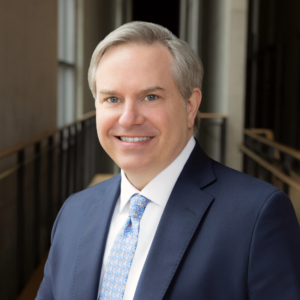
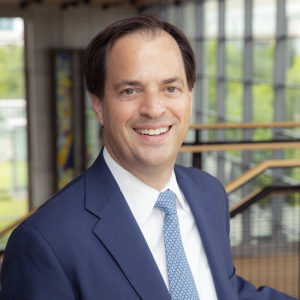
Thinking about turning your successful med spa into a franchise, or just asking for a friend? In this episode, guests Ryan Rose and Ryan Rao, executives at VIO Med Spa, share how they turned a single-location med spa into a national brand. Tune in to learn what it really takes to build a successful franchise in the health care space. Whether you are considering expansion or curious about franchising, this episode offers key insights into the strategic, legal, and operational hurdles that come with scaling a brand.
Listen to the full episode using the player below, or by visiting one of the links below. Contact ByrdAdatto if you have any questions or would like to learn more.




Transcript
*The below transcript has been edited for readability.
Intro: [00:00:00] Welcome to Legal 123s with ByrdAdatto. Legal issues simplified through real client stories and real world experiences, creating simplicity in 3, 2, 1.
Brad: Welcome back to another episode of the Legal 123s with ByrdAdatto. I’m your host, Brad Adatto, with my co-host, Michael Byrd.
Michael: As business attorneys for health care practices, we meet a lot of interesting people and learn their amazing stories. Brad, this season’s theme is: Asking for a Friend. We’ll tackle questions that practices are sometimes afraid to ask.
Brad: Yes. And audience members, remember, this is a safe place. Everyone knows it’s not you asking the question. If you say the magic protective words of, “I’m just asking for a friend.” Michael, I’m super excited to bring on our two – yes, I said two guests for the show, however, before they join us, Michael, did you ever own a record player?
Michael: Well, I would say that my Rat, Quiet Riot, and Twisted Sister heavy [00:01:00] metal vinyl, were not going to play themselves, Brad. So yes.
Brad: First nice collection. Sadly, I think I had the exact same ones. Now I know that in this day and age, the youths out there, they’re actually starting to collect the vinyl again, and I’m trying to get, bring it back in style. My niece and nephew love collecting vinyl.
Michael: It keeps coming back like this actually trended for a while with my oldest daughter, Caroline and her friends, and she’s 10 or eight years out of college. And I remember she had her record player set up in her dorm room back in the pre-COVID era.
Brad: Yeah. But speaking of things, making a comeback do you think dial up internet will ever make a comeback? Like maybe the hipsters will line up to get their sweet sound of that modem screech?
Michael: Only if we want to actually increase anxiety in the world, which is at an all-time high. Nothing says patience quite like waiting 10 minutes for your cat meme to load.
Brad: Well, I don’t know if you saw…
Michael: [00:02:00] Or your picture of Justin Timberlake.
Brad: That too. Yeah. I don’t know if you saw the news, but AOL is finally ending dial up options. It happened on September 30th, so yeah, it’s already happened and Generation X everywhere are just mourning the end of the glorious screeching beeps, the you got mail chimes. For many of us, it was our first world tango into the internet world.
Michael: It’s the end of an era for sure. I actually read about it as well that for other than the Gen-Xers, it’s not that big of thing less than 1% of the US households were still using dial up. And so, I guess those free trial CDs that we would get in the mail from AOL, I guess they’re going to have to go to a museum or the dump.
Brad: I mean, honestly, 1% more than I thought possible would be having dial up. But Michael, are you ready to say goodbye to the dial up modem mayhem?
Michael: Well, I’m glad you did upgrade from dial up. [00:03:00] If we could just get you to upgrade your dad jokes, that might be a little better.
Brad: All right. Well, let’s bring on our two guests before they act like their internet connection is not working and disconnect from our show.
Michael: Sounds great. We have two longtime friends and clients. We have Ryan Rose and Ryan Rao with VIO joining us. I’m going to go through their credentials or their bio. So Ryan Rose, we’ll start with first. He is the CEO at VIO Med Spa. Ryan Rose has a diverse range of work experience. Prior to VIO, he had a long history of developing franchises, including being owner of Apex Franchise Development Group. Ryan has experience in the financial industry, including roles as a regional sales manager and financial planner at Skylight Financial Group. He’s a master’s degree in financial economics, bachelor of Business [00:04:00] and finance and economics, all from Ohio University. Now we’ll go to Ryan Rao. He is the Chief Development Officer at VIO as well Ryan also has a passion for franchising, dating back to being a co-founder at Apex Franchise Development Group. Ryan has a vast experience in franchise sales, real estate, startup financing, and the intricacies of growing and developing a brand. BBA in business management, minors in financial services and economics from Notre Dame. Both of them are national speakers and we’ve shared the stage with both of them multiple times over the years. And they’re first time guests on our podcast. Ryan and Ryan, welcome.
Ryan Rao: Thank you.
Ryan Rose: Thank you.
Ryan Rao: Excited to be here.
Brad: Yeah. So we’re going to hit you with a very important question to kind of start off, did you ever have dial up internet and do you miss it? [00:05:00]
Ryan Rose: I was hoping we were going to start with that question – really enjoyed the banter. I did, I did have dial up internet, AOL account and all the good things that came with being a Gen-Xer. And so, it’s interesting to know that it was still in existence up until a few days ago, but I would not be one of the ones of Gen X mourning it’s burial. So I wouldn’t want the increased anxiety in the world. But yes, I do remember it. Yes, I was a participant in the early days of it.
Ryan Rao: I had it as well, even being a millennial. And I remember the chats. You go home from school and you’d be chatting your friends. It was pre-texting, so I had a lot of fun. I’d say the record player is more of Ryan Rose’s lane. He is a big record player connoisseur.
Michael: There you go. Did you have a metal era as well?
Ryan Rose: [00:06:00] No, the most metal that I got would’ve been Bon Jovi Slippery When Wet. I remember having that vinyl. But yeah, my path went more into the jam band type of blues. So a lot of what I have now is Gary Clark and the Grateful Dead and Dave Matthews Band and kind of the stuff that allows you, I guess, a journey along the way. Not necessarily a simple start and end, but everything in between and we still enjoy it. We upgraded everything during the pandemic. Really brought it back and still have it in our house, have an entire music room dedicated to it, so it’s pretty cool.
Michael: That is very cool. That’s awesome. Well, let’s jump in and really just the beginning kind of open-ended question to hear a little bit for the audience that you all stories kind of talk a little bit just on about you all’s backgrounds and introduce yourselves to the audience members who don’t know who you are.
Ryan Rao: Yeah. I can start if you want, Ryan. [00:07:00] So my background pretty much since I’ve been out of school has been franchising. I’ve actually known Ryan Rose since I was 16 years old. And when I was graduating from college he called me and he said, Ryan, you want to be in sales, why don’t you come and sell franchises for me? And at the time, it was becoming CEO of a regional pizza franchise. I said, Ryan, that sounds fun, but I know nothing about franchising. He goes, me neither. Let’s figure it out. So my mom about had a stroke because I went to work at a pizza shop when I was graduating from college, but really rolled up my sleeve, started to understand the industry, both of us and just grew a ton of respect and belief around the franchising business model, and could really see myself developing a career in the industry. We were able to really turn around the brand that we were with Romeo’s Pizza. It was contracting in size. [00:08:00] We put together a strategy and started to see consecutive quarters and years of same-store sales growth started to expand to new unit openings, attracting new franchisees. But I wanted to get a little bit more entrepreneurial and take what I’ve learned at Romeo’s and bring it to other concepts and categories. So, I came up with the idea of Apex Franchise Development Group, similar to the conversation of getting started in franchise sales. I told Ryan about it and he said, that sounds exciting. Do you want to do it on your own or do you want a backer? And I said, well, I have no money, so it’d be nice to get a little salary and get some backing. So he and a few other people back me on Apex Franchise Development Group. The thesis there was working with early stage businesses, so say one to 10 locations. Founder leadership team who wanted to grow the portfolio and were interested in franchising. So we would go into those businesses, [00:09:00] help them determine if franchising was for them, and then if we decided to work with one another, we would build out the franchise side of the business and oversee the development of the concept. Had quite a bit of success doing it quickly. Had about seven to eight clients in a variety of categories. Challenge was, didn’t love being a consultant. I wanted to get back to more of an active leadership position within a concept. Because when you’re outselling franchises and you don’t have control of the decisions being made, it creates a lot of internal conflict. So I wanted to find a category that I had a lot of belief in. Came across Med Spa in late 2016. Started getting involved with AmSpa, listened to the podcast and just became a student in the industry. Thought there’s a big opportunity in the market considering no scale franchise player market tailwinds, the overall fragmentation. [00:10:00] And then soon thereafter, Ryan and I were introduced to One Unit Med Spa in Strongsville, Ohio, outside of Cleveland, where we lived at the time. Founded by Joe and Nick Stanoszek. Really loved how they positioned the business. So first and foremost, a grade retail location. It wasn’t a medical office or connected to a dermatologist or a plastic surgeon. And then when you walked in, it was the environment. So it felt more spa-like than clinical, great scent, upbeat music, gender neutral approach. So really welcoming for all. And there was just a lot of focus on guest experience. So Tracking personal information, how you like your coffee, last vacation to create a differentiated experience to what you’d be accustomed to in a traditional medical facility. And they wanted to grow. So we ended up forming a partnership in 2017 with the plans to franchise off that single location. We spent all of 2018 refining the business, being very thoughtful [00:11:00] about the service mix, understand the compliance side. I still remember the whiteboard sessions with Brad and Michael on Zoom, not understanding at all what MSO structure was, but figuring out how we could approach the business. From a compliance first standpoint, launched a franchise in 2019, created a ton of momentum, thought 2020 was going be the breakthrough year, obviously COVID had different plans for us and that’s where Ryan became active. He became the CEO Post COVID. But we’re fortunate to create quite a few success stories. In 2021, we had nine locations open, and that’s really fueled our growth to date. So we’re now over 60 open locations today. We’re in 20 states, we’ll have close to 70 open by the end of this year, and a large pipeline of commitments into the future.
Brad: That’s amazing. I think you’ve said this before because it seemed really good. [00:12:00]. Rose, you want to add on anything? I mean, I forget how like quick you guys have grown. Just knowing, like I can remember meeting you guys at an AmSpa show a long time ago and to see where you are now. That’s incredible story right there.
Ryan Rose: Yeah. The only thing that I would add is basically franchising as an industry is its own beast, right? And then we figure in how these grow. And I think it’s important that franchising done right is really the way that you need to look at franchising. Because many franchisors come in every year, they go out every year. Very few make it to the pinnacle of a hundred locations and above. And franchising in simple form can be done right very simply, but it takes a lot of hard work behind the scenes. And that’s really what we continue to try and do, is just add talent to [00:13:00] our organization that really puts the franchisees’ success at top of mind. Like that’s when they get up every morning; Is what are we doing to be the best for our franchisees? We, the franchisors, the right ones, are a support organization and are constantly looking at how to make the business better, easier, simpler, more profitable for our franchisees. And that is our mission that we can continue to move towards every single day that we wake up with VIO.
Brad: So let me ask this question for those who are not familiar with their franchise, where’s the name come from? What was the we had Apex, we had Roma, we had all these, where does VIO come from? What was the concept behind that name?
Ryan Rao: Well, it was created by Joe. So the longer story is, we are working on names. His original location was called Skin Deep Med Spa. If you’re going through intellectual property, obviously you need to own your trademark when you’re going to franchise your business. And there is a lot of [00:14:00] skin deeps out there in the country. So unfortunately it was not…
Ryan Rose: 83 of them to be exact. I remember the number.
Ryan Rao: It was not a brand name we could trademark. So we were going through months and months and months of trying to find a name, and we had a list. Joe came in and he goes, VIO slams the coffee table. And we said, VIO. We liked it. So today it stands for Value In Ourselves (VIO) and we’ve created a brand around it. But it was a name that Joe came up with and we thought it aligns with the concept. And obviously it’s all about delivering confidence with the acronym Value in Ourselves.
Michael: For those that don’t know, Joe, I think a fair question is did he break the table when he slammed it?
Ryan Rao: He did break the table. And if you shake his hand, you’ll definitely remember Joe.
Brad: Yes. I definitely remember. I now try to just kind of like hug him a little bit so he doesn’t break my hand when I see him.
Michael: Well that’s so cool. And it actually, all of it dovetails [00:15:00] into kind of the central theme of what we’re doing this season. And we’re trying to tap into questions that we commonly get from our clients. Questions that often people in the audience may be afraid to ask. So I’ll pose it this way in the spirit of a Dear Abbey. So Ryan and Ryan I’m a Med Spa owner and I’m thinking about scaling and trying to figure out what path to take, why should someone go the franchise route?
Ryan Rose: I mean, I’ll take this one, Ryan. I don’t know if you should quite honestly. It really all depends on your appetite and your vision, right? So what happens in franchising, especially in the early stages of franchising, is that you get really smart people, [00:16:00] they make an investment, and then they have ideas, right? And really franchising is about collaboration. It’s about best practices and most of the best practices come from the franchisees that are in the hand-to-hand combat every day. And so I think that you have to have an appetite to build this foundation with a lot of insight, a lot of input from people that you select coming in. And if you are not ready to do that, right? Like, let’s say that you’re actually a practitioner and this is your first Med Spa and you’re thinking about opening another Med Spa, I would say that from a practitioner standpoint, you’d probably be better off just investing the capital into a second location and a third location and kind of doubling and tripling your business along the way. You’re going to have a lot more control, you’re going to have a lot more impact. There’s plenty of successful multi-unit corporate models out there, the fours and five and six kind of shingles. [00:17:00] That’s what I would recommend. Franchising is its own entity and it has to be treated as such. And if you’re not comfortable with releasing control and having overall collaboration and input into the direction of the company, it’s probably best not to do franchising and to stick with your own shingle and your own control. That would be my answer, right?
Michael: Yeah. I love that’s great. And there’s another barrier to even doing this. So we’ve all of course, with each other and on our show talked about the barrier to Med Spa, which is compliance, but franchising has its own set of burdensome compliance hurdles that we have to go through. Talk a little bit about at that beginning, if you’re a franchisor, what it takes to establish yourself as a franchise.
Ryan Rao: Yeah.
Ryan Rose: Ryan, do you want to tackle that one?
Ryan Rao: Yeah, absolutely. Obviously a lot of complexities in this business. So every state we enter into is [00:18:00] Brad and Michael know well, it’s different. So how we support our franchisees from a corporate practice medicine structure, from good faith exams and delegation, it requires a lot more involvement than a normal franchise based business. And I’d say the number one role for me in development, it’s managing expectations. So managing expectations on what franchisees are getting into, what the realities of the business model are, the compliance structure that’s needed. We also go as far as require that all of our franchisees engage with healthcare counsel. So we provide them templates, we provide support, but we want an extra set of eyes on what they’re putting together and make sure that they have legal sign off. And then even if States do have independent practice authority for let’s say a nurse practitioner, we still go above and beyond and always require a medical director associated with that location as well. So we have a side and [00:19:00] standard as a brand to the State level at times on who can do what, the required oversight. But from a franchise sales perspective, it’s vital that we manage expectations so that new owner understands the realities of this business on neither side from a franchisor perspective or a franchisee perspective. It’s not a get rich quick scheme. This is a business that has a ramp associated with it. We’re obviously dealing with the medical world and that requires a great deal of care and thought and building up your patient base. So understanding this is much different than, let’s say, a restaurant franchise, which a lot of people tend to think of when they think franchising several different modalities in this business and the medical involvement. So there’s a lot to be aware of as you’re looking to expand your business, both corporate or franchise.
Brad: Yeah, great point.
Ryan Rose: Yeah, and I would say that [00:20:00] those are great points. Just one thing I would add is, this is such a dynamic industry and it’s really the people part of the industry that makes it so dynamic. You are dealing with a very intelligent workforce. You’re dealing with people that have PAs and NPs, and they have master’s degrees and they’re very high income earners and they’re driven, but at the same time, they also are driven to be artists and caretakers of their patients. And when you start to add that dynamic, I don’t know of another franchise, I don’t know of another industry that has franchising in it, that has that highly educated of people. And it, it’s an entirely different workforce. And I think it’s something to be sensitive to when you walk in because these are people that have earned these degrees. And when franchisees undervalue being able to stand shoulder to shoulder with the complexity of what these people have learned and the [00:21:00] experience they’ve gained over time, sometimes there can be a disconnect with that. And we have to be very, very cautious and very educational about that from a social emotional intelligence side. So that’s another way to it.
Michael: Yeah, it’s amazing. I have one follow up question too. Just talk a little bit briefly. I know it could go real deep easily, but when you’re starting a franchise, there’s the Franchise Disclosure Document (FDD) and there’s the regulatory side on that world as well that oftentimes people considering kind of going the franchise route are not aware of that world.
Ryan Rao: Yeah, absolutely. So if you’re a franchise, if you want to be considered a franchise, you need three baseline things. One is secure your intellectual property. Second, we call it the FDD, Franchise Disclosure document. It’s regulated, structured by the FTC. Some States are registration States, [00:22:00]. Some States are non-registration States. Some states are filing States. So similar to healthcare compliance, every State has different nuances when it comes to franchising. And then you also need an operations manual. So that’s the baseline components of what you need. Many brands think that, oh, I can license. Well, if they’re using your trademark and you have any sense of control over operations, and you’re collecting a percentage of the ongoing fee by the FTC, you are now considered a franchise, so you can’t go the route of licensing. So there’s a lot of nuances to it. And just like aligning yourselves with a healthcare attorney and partner, you need to have someone very experienced from a franchise legal standpoint and understand there’s a lot to get into. it’s not just one simple document and you’re in business as a franchisor for $10,000.
Brad: Yeah, that’s a great, great points; and I know that when [00:23:00] we do get those phone calls, I don’t think a lot of people realize how much work it is. I mean both of you have a great perspective about do they, should they go the franchise route? And then understanding that’s a big ask of time and of course money because it’s not just the money that you have to do, to kind of build out your belief and your actual idea. But then you’re going to have to go hire; the attorneys and consultants and other individuals to help make it happen. And then, as you said, be compliant with multiple different States, whether or not you’re in the healthcare industry or the restaurant industry. Those same things do come to play. And I think, which leads to, you were talking about branding and IP, and you talked about how when you launch a particular place, the tools that you guys give them, but how do you make sure with 60, 80, 90, 100 different locations as you grow, how do you make sure that brand is consistent at all these locations in all these different States?
Ryan Rose: You know, we had the opportunity to be acquired by a great private equity company a year ago. [00:24:00] And I’m going to make it very simple and then we’ll expand on it. We have an incredible industry advisor on our board, and we’ve learned a lot from him over the last year. The first conversation that I had with him after the deal closed, he said to me Ryan, at the end of the day, talent wins. Talent wins. Go find the best talent that you possibly can and develop that talent, right? Hopefully they’re a little bit further along and it doesn’t take as much development and you will win. That’s the simplest formula that he gave me, he gave us, and then we permeated that down into our hiring practices and so on and so forth. And so what happens is we’ve added a ton of talent this year to our team, or in the past 12 months, and we’re going to add even more in the upcoming 12 months. And you get the talent that actually sees things differently, right? And how you put in the [00:25:00] pieces of people, process and technology in order to blanket it, right? You will eventually get to a prime spot where everybody’s marching to the same drum, right? It’s about buy-in and the buy-in comes with the collaboration that we talked about and we talk about our franchise advisory council that is made up of seven board members from our franchisee community that are really smart people, that continue to bring things and there becomes a self-governing part of franchising, because you are only as good as your weakest franchisee typically in the system. And they start to hold each other accountable from the franchise advisory council all the way down to the individual. Along with what we’ve done in setting the standards. We could go in the technicality of annual audits and our MedTrainer compliance platform and our enterprise version of Zenati and POS [00:26:00] and all of the different things that we form guard rails in order for our franchisees to work within, so they don’t get out of bounds and check-ins and our franchise business consultants. There are so many different layers to ensuring the quality control that happens in a franchise, but it all starts with talent, and it all starts with people that want to put the brand success before their individual success. And that’s what we’re really focused on as we continue to grow VIO into the 80s, 90-100s, is talent, including our own internal team, but also our franchisee selection process and really developing the avatar of success and then finding the prospects that come in and meet those credentials, which is what Ryan’s department is doing very well in the past 12 to 18 months and into the future. You get the people right. Everything else will kind of fall [00:27:00] into place with the technology and the platforms and the accountability.
Brad: That’s such a great answer. And I really wish I had known that before I partnered with Michael, because that would’ve made a really big difference. I’m not saying that, oh wait, he’s right here. But anyway, we’ll talk about that offline, about talent in Michael Byrd.
Michael: Yeah, and I think before Brad kind of watered down that last statement, I felt like that was a drop mic moment. And we did quickly run out of time like we seem to do when we’re on with our friends. That was amazing. Grateful for both of you joining Legal 123s with ByrdAdatto. And we’ll go to break right now and wrap up with a few legal insights, but we really enjoyed the conversation. Thank you guys.
Ryan Rao: Yeah, likewise.
Ryan Rose: It’s always a pleasure. Thank you.
Access+: Many business owners use legal counsel as a last resort, rather than as a proactive tool that can further their success. Why? For most, it’s the fear of unknown legal costs. ByrdAdatto’s Access+ program makes it possible for you to get the ongoing legal assistance you need for one predictable monthly fee, that gives you unlimited phone and email access to the legal team so you can receive feedback on legal concerns as they arise. Access+, a smarter, simpler way to access legal services. Find out more, visit byrdadatto.com today.
Brad: Welcome back to Legal 123s with ByrdAdatto. I’m your host, Brad Adatto, still here with my co-host, Michael Byrd and Michael this season our theme is asking for a friend, and we had some awesome friends on the Roses. I mean, Ryan and Rose, Ryan Rao, I mean, it was, God, I wanted to spend another hour with those guys. I was so sad that we had to let them go, but I mean, what I thought was amazing was how hard, how much they lean into the compliance and realizing how important compliance is no matter what you’re doing, and that they really they want to make sure their franchisees understand that, that aspect of it.
Michael: Yeah, I mean, they have the whole franchise world, which is not our world, [00:29:00] but it is a big barrier. And then on the compliance that we spend so much time talking about on this show, there’s an added complexity when you’re dealing with a franchisee who, again, as Ryan said, you’re giving up control, some level of control, and you’re having to vet who’s coming in and know that they’re going to lean into compliance because there’s a trickle effect. If you have a franchisee that’s cutting corners, and even if it’s inadvertent because they’re new to healthcare and they’re used to other types of franchises, there is a risk impact across the line.
Brad: Well, everyone next Wednesday, we’ll be back again when we’re asking for a friend. And again, we’ll actually have two guests. I know it’s kind of crazy, right, Michael, where we have Vojin Kos and Aubrey Rankin joining us, and they’ll be presenting us on the process of raising capital. Thanks again for joining us today, and remember, [00:30:00] if you like this episode, please subscribe, make sure to give us a five star rating and share with your friends.
Michael: You can also sign up for the ByrdAdatto newsletter by going to our website at byrdadatto.com.
Outro: ByrdAdatto is providing this podcast as a public service. This podcast is for educational purposes only. This podcast does not constitute legal advice, nor does it establish an attorney-client relationship. Reference to any specific product or entity does not constitute an endorsement or recommendation by ByrdAdatto. The views expressed by guests are their own, and their appearance on the program does not imply an endorsement of them or any entity they represent. Please consult with an attorney on your legal issues.