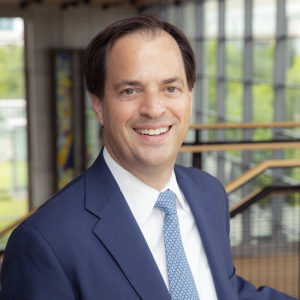
Adding wellness services can open new revenue streams, but without the right financial and legal strategy, they can quickly impact profitability. In this episode, Jessica Nunn, Founder of Maven Financial Partners, breaks down how data, KPIs, and thoughtful financial planning help practice owners evaluate ROI, avoid costly missteps, and make strategic decisions. Tune in to learn how aligning staffing, capacity, and marketing can support long-term profitability. Understand the key compliance considerations that can arise when expanding into wellness and why your financial and legal strategies must work hand in hand.
Listen to the full episode using the player below, or by visiting one of the links below. Contact ByrdAdatto if you have any questions or would like to learn more.




Transcript
*The below transcript has been edited for readability.
Intro: [00:01] Welcome to Legal 123s with ByrdAdatto. Legal issues simplified through real client stories and real-world experiences, creating simplicity in three, two, one.
Brad: [00:13] Well, welcome back to Legal 123s with ByrdAdatto. I’m your host, Brad Adatto, with my co-host, Michael Byrd
Michael: [00:20] As business attorneys for health care practices, we meet a lot of interesting people and learn their amazing stories. This season’s theme is The Future of Wellness, where longevity, advanced weight loss solutions, and anti-aging innovations collide. Get ready for insights from the people driving the evolution of the medical industry.
Brad: [00:42] Yes, and we have a really awesome guest today, Michael, but before we bring her on, I’m excited about all this energy that’s around this space. It feels like everything’s taking off, especially with the wellness, and obviously, we want to talk about financial implications of adding that to our practice, and our guest today, I think, will understand these issues better than you and I combined.
Michael: [01:03] That’s hopefully true, because we know her well.
Brad: [01:08] Yes.
Michael: [01:08] So, I think we’re confident there. All right, I’m excited, and I’m even more excited, at least for the next couple of minutes, for you and our guest to hear about this article I read. It actually is about a deep, disturbing subculture to this wellness craze.
Brad: [01:28] Anytime you discuss a subculture craze, I get nervous as to what rabbit hole you’re going to take us down today.
Michael: [01:36] As you should.
Brad: [01:37] Okay.
Michael: [01:37] Yeah. Are you familiar with the term looksmaxing?
Brad: [01:41] Yes, and there is a subculture of looksmaxing or sub-subculture that is actually extremely disturbing.
Michael: [01:49] So you’re familiar?
Brad: [01:50] Yes.
Michael: [01:50] Well, we’ll enlighten everyone about this. So looksmaxing is a male-driven subculture, which makes sense when you hear some of the idiocy that it entails.
Brad: [02:00] Yeah, for our audience, I think you need to give them a little more, uh, depth here as to what this means.
Michael: [02:04] Okay. Well, on the surface, looksmaxing is what it sounds like, extreme aesthetic self-improvement, and as a note, Brad, maybe you should look into it a little bit for our YouTube watchers.
Brad: [02:17] Well, all five of you, I apologize for not looksmaxing today, but I guess I’ll look into this.
Michael: [02:23] Or, maybe you are.
Brad: [02:25] Well, you can scratch that candidate. Yeah. Unfortunately, I don’t need to see it again. As for those, again, going with the sub-sub culture on looksmaxing, looksmaxing, it’s really unusual.
Michael: [02:39] Yeah, you can’t unsee it. You’re right.
Brad: [02:41] Yeah.
Michael: [02:41] Well, let’s, break it down.
Brad: [02:43] Okay.
Michael: [02:43] Looksmaxing techniques generally fall into two categories: softmaxing and hardmaxing. Softmaxing is relatively benign, and it connects kind of to our wellness theme.
Brad: [02:56] Yeah.
Michael: [02:56] If you kinda think skincare, diet, exercise, grooming.
Brad: [03:01] What are these things? Yeah, we’ll have a side conversation.
Michael: [03:04] Hardmaxing, Brad, includes things like surgery or injecting steroids, peptides, but then there’s the most extreme form of hardmaxing. This is one I was not familiar with until I read the article: bone smashing.
Brad: [03:24] Yes. So softmaxing sounds very normal, as you said. Hardmaxing, I guess, is not that far off because you’re trying to – you’re using something else to help. But that, going back to my sub-subculture, that’s the bone smashing, maxing. It’s very disturbing.
Michael: [03:45] So there’s a person named Brayden Peters, who is known online as Clavicular, the most famous looksmaxxer in the world.
Brad: [03:56] Which is, I guess that’s saying something.
Michael: [03:59] He is the OG for bone smashing. Which is the art of taking a hammer and tapping your face repeatedly to change face shape. The goal, in theory, is to cause minor damage to the underlying bone, which will change the shape of the face as it heals to give a square face, stronger jawline, and more pronounced chin.
Brad: [04:24] Now, audience meme-members, and our guest, whose eyes look like they’re about to pop out of her head, as you can imagine, this is actually not consistent with the standard of care you would anticipate. Maybe even with softmaxing and hardmaxing, this is more insane maxing.
Michael: [04:39] Brad, you’re not a doctor.
Brad: [04:41] Oh.
Michael: [04:41] So don’t say the standard of care. But you’re actually right. You may be surprised that the doctors interviewed for this GQ article, where I read it, called it a stupid idea.
Brad: [04:53] Ha, really?
Michael: [04:54] Yeah.
Brad: [04:54] Well, other fun fact about Brayden is that he was also arrested a few months back in Scottsdale for having prescription-only pills and fake IDs, and they booked him with dangerous drugs and other things, but I then read later that they dropped all the charges, so I guess he’s living his best life. I don’t know. It sounds like a train wreck.
Michael: [05:15] Back to bone smashing?
Brad: [05:16] Yes, but let’s bring on our guest, Michael.
Michael: [05:20] All right.
Brad: [05:20] We’ve, terrorized her enough today.
Michael: [05:21] Yes.
Brad: [05:21] I can see by her face.
Michael: [05:23] Joining us today is someone we’ve worked with for many years, Jessica Nunn. She’s the founder of Maven. Her job is to make the complex world of revenue, profitability, and key performance indicators clear and simple. Jessica started her career in Big Four public accounting firms and middle market accounting firms. She has a dual degree from Texas A&M, a Bachelor in Business Administration and Masters of Science in Finance, and third time guest on our show.
Jessica: [05:55] Oh, we’ve been counting.
Michael: [05:57] Yes. Well, you taught us that.
Jessica: [05:59] Great.
Michael: [05:59] Yeah. How to count.
Jessica: [06:00] We have a spreadsheet. I’m certain.
Michael: [06:02] Welcome.
Jessica: [06:03] Thank you. Okay, I did read the same article.
Michael: [06:06] Yeah.
Jessica: [06:07] And you guys know, I have a 15-year-old kid, so I’m curious if he’s gotten into it. I got to confiscate all the hammers. It sounds like, aye yi yi.
Michael: [06:07] So you’re familiar with it?
Brad: [06:17] So your Stanton looksmaxing bad?
Jessica: [06:20] I mean, I like the being clean part.
Brad: [06:22] Yes.
Jessica: [06:22] I support that one, right?
Michael: [06:24] Which also could be good for a teenager.
Brad: [06:26] Yes.
Jessica: [06:26] And for our clients, I’m fine with the surgery and the Botox, Brotox. Right?
Brad: [06:33] Yeah.
Jessica: [06:33] Let’s do that. That’s fine. The hammer.
Brad: [06:37] Yeah. Yeah. And-
Jessica: [06:37] But this dude apparently has, like, millions of followers.
Brad: [06:39] Yes. Yes.
Jessica: [06:39] So this is a thing.
Brad: [06:40] Yeah.
Michael: [06:40] I think it’s because they’re watching a train wreck.
Jessica: [06:42] And that’s popular.
Michael: [06:43] Yeah. Well, I’m ex-I’m excited that y’all are as up on looks maxing as me, which is, uh, probably not near the level of, uh, our, our kids probably are very well aware of this.
Jessica: [06:56] I’m going to find out.
Michael: [06:56] Yeah.
Brad: [06:56] Yeah.
Michael: [06:57] All right. Well, let’s get into it. For those who don’t know, talk a little bit about Maven.
Jessica: [07:01] So we’re a fractional CFO financial consulting firm. We help practices really better understand their finances. A lot of our practice owners, before they work with us, are deciding if they’re successful or not by opening their checking account online and seeing if there’s money, and if there’s money, they feel like they can make it another day. But how do we put more certainty into whether they’re successful financially or not? And you guys know that we’re big on making a plan, so all of our clients have a financial plan that month by month maps out what exactly all their providers are going to do in terms of revenue, expenses, the budget for all the ways that we’re spending money, and then what’s the cash flow, and what do we think the checking account balance will be, and are we happy with that number? And then we meet every month to go over what actually happened compared to the budget, compared to the plan, and where the conversation actually starts, right? because they’re like, “Well, we missed it.” Okay, why did we miss it? What’s going on? Here’s how our other clients were successful with this. What can we do to take your practice back to where you want it to be?
Michael: [08:02] And audience, we’ve worked with Maven and Jessica for years, and so full disclosure, she’s well aware of Brad’s push for a private jet.
Jessica: [08:11] Yes.
Michael: [08:12] And so she has to team up with Jay to tell him we still can’t afford one.
Jessica: [08:16] I’m so sorry.
Brad: [08:17] It hurts every single time you bring that up, Michael.
Michael: [08:19] I know.
Brad: [08:19] Thank you for making it hurt so much. And that was fascinating. I just didn’t know that cash was good in your bank account.
Jessica: [08:25] Yeah. Yeah.
Brad: [08:26] Yeah, that’s good to know.
Jessica: [08:27] I know.
Brad: [08:27] Thank you.
Jessica: [08:27] Yeah, especially if you want a private jet, you’re going to need-
Brad: [08:29] A lot more cash in my account. Okay. All right. So now you’ve established what Maven does. Talk to us about the relationship Maven then has with these med spas or other medical practices as to how you help them once you figure out what’s going on with their financials.
Jessica: [08:47] So for us, your financials and your practice management software are where we get all this data, right? So we’re living in the QuickBooks and PatientNow, Aesthetic Record, whatever the software is that you’re using, and extracting all this good, juicy data that I’m sure practices know is there, but they don’t know how to get it, and also they don’t want to. So we’re pulling it out and showing them, “Hey, this is how all of your providers are doing. This is how many patients they saw. This is how much revenue per patient they’re seeing. This is how much revenue per hour they’re generating. Based on how do we feel about this?” And usually business owners, you guys know, will be like, “Mm, I suspected it.” You know. You have a gut feeling on how things are going, but we’re proving it in the numbers. And when we have the data behind the numbers, we can say, “Okay, but what do we need to do to change it?” Right?
Brad: [09:36] Right.
Jessica: [09:36] Is it that she doesn’t have enough patients? Let’s talk about marketing. Is it that she has a lot of patients, but maybe when they’re in the chair, she’s not really uncovering what they’re there for or what they need to be doing? Let’s talk about that. So we’re really diving into the story behind the numbers and using the numbers as our X-ray. Okay, this is what we’re seeing, but what does that mean and what do we do about it? And I feel like we now have over 200 locations across the country, so I don’t want to say we’ve seen it all. Please don’t surprise me—crazy clients, it looks like. Haven’t seen the hammer yet, but a lot of our clients are facing similar problems and similar issues and similar successes, so we’re able to say, “Okay, here’s what worked with someone in your position. Why don’t you try it? We’ve seen this work before. This is what it should do. Give it a go, and then we’ll report back next month.” So we’re really holding the practice owner accountable too. A lot of them are like, “Ah, I’m going to talk to you next month. I better have given it a go before we have that conversation.”
Brad: [10:32] And so if I go to a conference and I’m a med spa owner or a medical practice owner, do I just go buy a $200,000 machine without calling Jessica first?
Jessica: [10:41] No. And what’s so funny is we have had, at conferences with our clients, the client will run up to our booth, grab one of us, and say, “Hey, will you come with me? I really want to buy this device. Can I do it? Will you tell me?” Like, it becomes so fun. Our relationship with clients is so great after working with them for so long. It’s like, “I got to call my mom and ask if I can buy this first.” Yeah.
Brad: [11:02] It’s smart because you’re the one who’s taught us and our clientele that what’s going to be return on investment? Are they even looking for this, and what do you have to do? How many patients do you have to touch? And I think a lot of times providers aren’t thinking about that. They’re just enamored by this new technology and not how do you get a return on that investment.
Jessica: [11:19] Right. Right. You know, it makes sense because providers are excited about the outcome that it might provide, but what if we have a hard time getting patients to accept that treatment, or we already can’t really afford it anyway and maybe we should wait? So there’s so much more to think about beyond the service that you could potentially provide to patients that I agree is exciting. You know, it’s exciting and shiny and all those things, but, like let’s be practical about it and make sure we have a real plan to roll it out.
Michael: [11:45] And I’ve heard you talk about kind of this data and you turning it into KPIs that you look for.
Brad: [11:51] Oh. What’s that?
Michael: [11:52] We’ll talk a little about KPIs, and then I’m also curious: at your 200 locations, do you find that your clients tend to have the same KPIs, or are they different?
Jessica: [12:05] We really like to benchmark and see. So for us, we have a certain string of KPIs that we track for every single person because we really believe that that’s what drives revenue, and that’s what we’re most concerned with, right? We really want to help improve profitability, period. It’s not necessarily our job as a fractional CFO to improve patient care or the clinical outcomes, right? While a practice owner can certainly focus on that, we’re not here taking surveys of the patients. What we care about is how revenue is coming into the business, whether that’s appropriate, sustainable, and is going to lead to the profitability the business should have. So those include things like revenue per hour, right? So how busy am I when I have a patient in my chair? What’s happening? Number of appointments. How many patients are in my chair that month or in my room? Revenue per appointment, similar. And then we also look at capacity, which is a tricky one. It’s how many days or hours is your provider there available to see patients, and of that time, how many patients are actually there? So it tells us, do they need more patients? Is that the issue? Or no, their schedule’s actually pretty full, they just only do the tiniest amount of Botox and then send the patient on their way, and is that the right answer? So we can really dive into how each provider is generating revenue and whether we can see some improvements with that.
Michael: [13:27] You mentioned talking to Brad a second ago about how you can help them make a decision on buying a piece of equipment. I imagine this extends also if they’re thinking about adding another location or hiring somebody.
Jessica: [13:41] Exactly right. Let’s map that out. What does that look like? Oftentimes clients will want to add another location, and that’s part of their strategic plan, and we’re not here to say, “No, you cannot. We prohibit it,” right? We’re here to say, “Let’s just do it smart. Let’s align your expectations,” right? So oftentimes they’ll think, “This is how busy I’m going to be,” or in the case of a surgeon, “I’ll have this many surgeries per month.” And we’re like, “Based on our experience, I want you to halve that number. Will you survive if you halve that? And does this work if you halve that? Let’s just see.” Then we can lay it out and they can say, “You know what? I don’t love that, but it’s still worth it to me. I’m willing to take the risk.” Then we can say, “How much revenue do you need to do to make this make sense?” Even yesterday someone called, and she said, “Hey, I just got into this lease. It’s five thousand a month.” It sounds like a lot. She’s freaking out. “Let’s back into it. You need to do about ninety thousand in revenue to support that. How are you going to get there? Let’s back into that.” So we can make it super simple. We’re not trying to overcomplicate anything like we’ve talked about.
Michael: [14:42] And I’ll just note, you can continue to prohibit Brad from getting the private plane.
Jessica: [14:47] Oh, I will.
Brad: [14:48] What if we call the private plane a new location?
Michael: [14:53] Now you’re getting smart.
Jessica: [14:54] But you got to look at those dollars.
Brad: [14:57] I don’t like
Jessica: [14:57] Let’s back to that.
Brad: [14:57] Looking at dollars.
Jessica: [14:58] Brad hates me.
Michael: [15:00] Okay. Now let’s pivot into the thing that everyone’s talking about. So you heard us, this season we’re focusing on wellness, and for the sake of the term wellness, we’re including longevity, weight loss, anti-aging, all the things. It’s the hot trend. Talk about what you’re seeing with practices that are adding wellness-type services.
Jessica: [15:22] You know, it’s so interesting. So to kind of break it down, just like Brad said, if they want to buy a new device, that’s the same thing, essentially, that rolling out a new service line is, right? It doesn’t matter that you had to buy a device or not. We’re considering rolling out a new service line by either adding weight loss, adding, you know, hormone replacement therapy, adding any, any of these wellness type things. So we are seeing that. You know, everyone’s talking about the filler fatigue and, you know, people really want to be, be more natural, be more healthy. How do we incorporate that into med spas? But I think more importantly, like, practices are like, “Ah, there’s so much competition out here, I got to do something else. You know, I can’t keep injecting Botox all day and expect this practice to generate the profitability that I need. So what else can I do to expand the services?” Which really is a good way to grow a business, as you guys know, right? And so since people in the world seem to be wanting these services with regards to wellness and longevity, how about we do that, right? How about we do that? So we’re having a lot of conversations about that, and I think it’s actually tricky. So for us and for practices, they’re like, “Oh, let’s totally do it. It’ll be easy. It will be easy,” right? But I think just like buying a device, it’ll sell itself. Will it though? Right? So a couple of things that we really need to think about and talk about before we add any service line, whether it’s a device, whether it’s, you know, any of these wellness things. Number one, do your patients want it? Is it appropriate for your patient base, right? Because if you have a patient base that’s, you know, geared towards 30 to 40 year olds, they might not care about that, and is there something else that would be better for them? So number one, let’s think about the patients that you have. Is this something that they’re interested in, they’re asking about? You know, they’re saying, “Hey, does this red light therapy or IV, does this work? Is this even a thing that I should think about?” If you’re having those conversations a lot, that’s a good sign that your patients would well adopt, like, this new service line you’re considering, right? But it doesn’t stop there, right? because, you know, you might be hearing it from people, but can you afford it? And how are you actually going to roll it out? And just like we don’t tell people they can’t open a new location, we’re really not in the business of telling people what clinical services they should provide. This really is like, what’s your passion? What do you believe in? And, and what’s the, the purpose of your business, right? But if you feel passionate that you want to do this and, you know, you’re skilled or you’re going to hire someone who’s skilled, we should definitely run the numbers and look at it, right?
Brad: [17:54] So going back to your numbers as a great segue to what I was thinking, you have an aesthetic practice and they want to bring in this wellness. What are some of the friction points you’re seeing from a financial perspective that they need to be considering as they adjust?
Jessica: [18:09] It’s just like with any other service line. So if you’re listening to this and you’re like, “I don’t know about wellness, but I am thinking about this other really cool thing,” what’s the revenue going to be? Let’s map it out, right? How many patients do we think will do this? How are you going to price it? What revenue looks like conservatively. And then secondly, what do you have to spend to bring it into the office? So a lot of these treatments, like weight loss and hormone replacement, they’re not actually the most profitable thing that you’ll see in a practice because they have high costs. If you’re ordering supplies and essentially reselling them for your patients, it’s got a high cost to it. So are we aware of that? Let’s do some shopping, see what that’s going to be, and let’s understand what the profit per each of these service lines is going to be, and then think about the volume. And then secondly, do we have to add another provider? Are you skilled in this? Does somebody else need to do this in your office? So we really need to look at the profitability. And it could be that you love it and you’re like, “I really want to bring this on,” but gosh, it’s going to make $4? I don’t know about that, right? And so then what’s the magic number with the volume of patients and the revenue to make it really make a difference for you?
Michael: [19:18] And I’ve heard you and Christin talk about this before. There’s the trickier analysis y’all help with, which is what else could the team be doing instead of this new service line? So are you going to cannibalize a more profitable revenue stream?
Jessica: [19:34] Do you have other providers that you’d be taking away from maybe more profitable laser devices, right, so that they can do this instead? Is that the right answer? So you really have to make a business case, and we really need to run the numbers. A lot of times we hear after the fact, “Hey, we’re doing it.” And we’re like, “Cool. Now let’s look at the numbers,” and you might not be happy with that. There’s another pitfall that we should talk about too. I don’t know if it’s a pitfall – something to be aware of. This is completely different than aesthetics if you think about it, right? People are coming to you because they want Botox, because they want Sculptra, because they want filler, whatever the thing is that they want. They’re not thinking, “Oh, when I go see this practice, I’m also going to get my hormones checked, and I’m also going to get peptide therapy,” or whatever it might be. So you kind of think about that. That’s like when Taco Bell is like, “We’re going to sell fried chicken now.” And you’re like, “I didn’t come here for fried chicken. It may be delicious, but I came here for a taco.” Right? So is that what we’re doing? Is it complementary? Is it what the patients want? You might need to market it differently. You might need to make it so that if I think of your practice, now I’m thinking of wellness and these things, and maybe that requires different branding for these services, right? So I would say also really talk to your marketing team about it.
Brad: [20:51] That’s a great point. Often you’ll talk to someone, and they’re like, “Oh yeah, I’m an aesthetic practice.” And then you start asking what service lines they provide, and they can be providing the exact same services as a wellness clinic. They’re like, “No, no, no, I’m not a med spa. I’m a wellness clinic,” or, “I’m a longevity…” They get caught up in their names, and sometimes that then messes up with what their service line actually looks like.
Jessica: [21:13] Yeah. Consumers don’t want to be confused, right?
Brad: [21:15] Yeah.
Jessica: [21:15] I’m not trying to, like, dig for hours to see what you’re doing before I come see you. So we have to be very clear, very intentional on the marketing. I think just like any other service line or device, it requires a marketing approach and a plan.
Brad: [21:27] Yeah.
Jessica: [21:27] So we got to understand the profitability and what we need to do to get there, and two, really get clear on the marketing. I will tell you that we have practices that are only wellness, zero aesthetics, that do very well. So I’m not saying don’t do it, it doesn’t make money. It can, but it’s a different business, and we just have to be prepared for what the cost structure looks like, what the provider makeup looks like, and what the marketing looks like, and make sure your patients are going to support that.
Michael: [21:54] And this dovetails into our world because it’s a different business, which means it’s a different discipline, which means compliance becomes more complicated. Do you have the training, et cetera? So one of the things that we’ve noticed is that a medical director may not be comfortable overseeing a new service line that’s not their wheelhouse. I’m curious if on the financial side you’re seeing any of the practices starting to add a second medical director to oversee these wellness-type services, and then of course I would imagine that impacts the numbers as well.
Jessica: [22:39] I haven’t seen that necessarily, but I do think it’s worth a conversation. And I think that’s probably not forefront of their minds. They’re thinking about all the other things I just asked them to think about, which is marketing, profitability, cost. Now we’ve got to add to the list: talk to your medical director too, right? Like we’re making quite a list. But I think that that’s something they should definitely consider.
Michael: [23:00] Yeah.
Brad: [23:01] Totally agree. And I think, Michael, you keep using the term medical director, which is a term we use in the industry. We like to call it supervising physician because that’s a little more natural as to what they’re doing. But a great point there, and obviously interesting to see how the financials work. So now that this whole wellness piece of the industry really kicked off maybe five years ago, maybe a little bit less than that. I know that hormone replacement and other things like that have been around for a long time, but watching the craze in longevity really take off, especially with the weight loss shift from eating correctly to now weight loss drugs, has kind of changed. But I’d just love to hear your vision for where you see wellness going in the next five years.
Jessica: [23:45] For me, I think that practices that incorporate it well could be a really cool one-stop shop for patients who are looking to look young and feel young. I think that some will be successful at doing that and some won’t. I think that we’ll probably see more just wellness-type clinics popping up because we’re already having those conversations with people who that’s what they’re looking for. And in our mind, even when we get on calls with people early on and ask what they’re thinking about doing, we’ll say aesthetics, and they’re like, “No, no, we’re not trying to do any of that.” And it surprises us – “Really?” But I kind of feel like the increased competition is making some folks aware that if they actually have a passion for wellness, longevity, and weight loss, they should just do that instead of potentially bringing in aesthetics.
Michael: [24:29] And then our wellness clinics that start that way then eventually want to add aesthetics then.
Jessica: [24:33] We have people doing that too. They’re like, “It’ll be great. I’m going to add in Botox.” Right?
Michael: [24:38] It’s all running together, to Brad’s point. It’s almost like how are you going to market yourself? But the services do tend to – it’s so interesting – it all comes down to best practices of business. It’s kind of the basics: what worked for you starting your med spa, growing, becoming profitable, being intentional, making plans, having a good business plan, good partners – all of that is going to be the same rules of thumb that work no matter what you’re expanding into, assuming your market can support it. So we just really have to be disciplined and follow those same basic rules of business. How do we make a profitable business within the passions of what we’re trying to build here?
Brad: [25:19] Correct. Awesome. I think that was a mic drop moment. We have gotten through our time already. Thank you for joining us on Legal 123s with ByrdAdatto. We’re grateful for you, of course. And we’ll go to break, and afterwards Brad and I will come and try to not make this episode dumber with a little legal wrap-up. Thank you.
Michael: [25:42] Thank you.
Access+: [25:43] Many business owners use legal counsel as a last resort, rather than as a proactive tool that can further their success. Why? For most, it’s the fear of unknown legal costs. ByrdAdatto’s Access+ program makes it possible for you to get the ongoing legal assistance you need, for one predictable monthly fee. That gives you unlimited phone and email access to the legal team, so you can receive feedback on legal concerns as they arise. Access+, a smarter, simpler way to access legal services. Find out more. Visit byrdadatto.com today.
Brad: [26:17] Welcome back to Legal 123s with ByrdAdatto. I am your host, Brad Adatto. I’m still here with my co-host, Michael Byrd. And for those who don’t remember, this season our theme is The Future of Wellness. We had a really great conversation understanding the impact the financials have with Jessica Nunn from Maven joining us, and especially how wellness practices need to start looking at their data differently. What are some thoughts you had, Michael?
Michael: [26:42] One of the things we talked about, or that Jessica talked about, was you’re basically reselling product that you’re buying and what the margin on it is. But of course, from a compliance perspective, I was counting the flags like we do. It’s our job to do that.
Brad: [27:02] Not that Jessica did anything wrong.
Michael: [27:03] No. No, no, no. Her perspective is dead on from a financial perspective. From a compliance perspective, things to think about as you’re deciding to add something like weight loss or peptides: if you add a product that you’re then mixing in some way at your practice, you all of a sudden could delve into the pharmacy world. So if you’re deciding to do compounding of weight loss or selling it and having the inventory at your office, you’ve got to be really careful about what laws you’ve opened up. And we’re seeing pharmacy boards increase enforcement across the country. There’s been a bunch in Ohio recently as it really relates to this wellness world we’re talking about. And so it’s a whole new compliance world compared to traditional medical spa services. You can include IV hydration in that as well, as you’ve got to be really careful about your process and what new compliance laws you’re opening up based on that.
Brad: [28:27] Yeah, great points, and understanding every state’s going to be different, so just because somebody’s doing one way in one state doesn’t mean you can do it from that perspective. But audience members, that’s all the time we have today. We’ll be back next Wednesday. We continue to explore the future of wellness when we bring in CEO Paulina Ridler with SpaKinect will talk about how telemedicine is being utilized by wellness clinics.
Brad: [28:49] Thanks again for joining us today. And remember, if you liked this episode, please subscribe, make sure to give us a five-star rating, and share with your friends.
Michael: [28:57] You can also sign up for the ByrdAdatto newsletter by going to our website at byrdadatto.com.
Outro: [29:03] ByrdAdatto is providing this podcast as a public service. This podcast is for educational purposes only. This podcast does not constitute legal advice, nor does it establish an attorney-client relationship. Reference to any specific product or entity does not constitute an endorsement or recommendation by ByrdAdatto. The views expressed by guests are their own, and their appearance on the program does not imply an endorsement of them or any entity they represent. Please consult with an attorney on your legal issues.