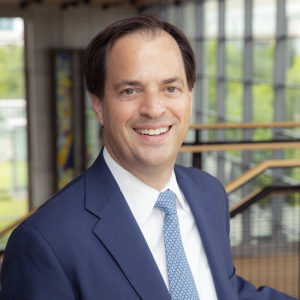
Many med spa owners hesitate to partner with a private equity–backed group because they fear losing control of their practice, but the reality is far more nuanced. In this episode, guest John Wheeler, CEO of Alpha Aesthetics Partners and co-founder of Esthetics Center, explains why partnering with a private equity–backed platform is not an exit, but a chance to access broader resources, structure, and support. Tune in to learn what changes come with joining a platform, including new performance expectations, operational structure, and support systems.
Listen to the full episode using the player below, or by visiting one of the links below. Contact ByrdAdatto if you have any questions or would like to learn more.




Transcript
*The below transcript has been edited for readability.
00:00 Intro
Welcome to Legal 123s with ByrdAdatto. Legal issues simplified through real client stories and real-world experiences, creating simplicity in 3, 2, 1.
00:16 Brad
Welcome back to another episode of Legal 123s with ByrdAdatto. I’m your host, Brad Adatto, with my co-host, Michael Byrd.
00:22 Michael
As business attorneys for health care practices, we meet a lot of interesting people and learn their amazing stories. Brad, this season’s theme is Asking for a Friend. We will tackle questions that practices are sometimes afraid to ask.
00:39 Brad
Now, audience members, as you know, this is a safe place, and everyone knows it’s not you asking the questions. If you say, only if you say the magic protective words, you’re asking for a friend. Now,
Michael, I’m really excited for our guest to come on today’s show, that he’s actually flown in and is in studio.
00:57 Michael
Yes, so you need to behave yourself.
00:58 Brad
Okay.
00:59 Michael
I’m excited too.
00:59 Brad
Okay.
01:01 Michael
But I do some important things to talk about.
01:03 Brad
Very important?
01:03 Michael
Yes.
01:04 Brad
Okay.
01:05 Michael
So you remember in our recent episode with the Ryans with Vio, we were talking about the death of dial-up internet.
01:10 Brad
Yeah. It was strange to think that people in this day and age still actually had dial-up internet.
01:15 Michael
Well, we have something else that’s dying. I’m not sure how you’re going to feel about it.
01:19 Brad
Okay.
01:20 Michael
I read an article recently that the use of the semicolon in grammar is plummeting.
01:26 Brad
Sorry, you used a word you might have to define. What is grammar?
01:29 Michael
That’s actually one of the funniest and most on-brand questions you’ve ever asked me. The article noted that you’re more likely to find a semicolon in computer programming and tattoos than in text these days and I have to say, I used to be a fan of the semicolon back when I did more formal legal writing. I may be one of the ones that’s guilty of not using it.
01:59 Brad
Yeah. I, I would say it’s been a long time since I’ve had to use a semicolon, but I recently had this super long paragraph, and the only thing I could figure out what to do with it was, or sentence, was to put a semicolon there.
But my English teacher, Ms. Frew, shout out to Ms. Frew, she always said no. She hated semicolons, that it was better to have multiple sentences.
02:17 Michael
Okay. Okay. Well, I do remember that back when we first started working together 20 years ago, we used to battle over the use of commas. It’s been so long that I can’t remember if I accused you of liking commas too much, or never using them.
02:35 Brad
Yeah. I don’t know what the conversation was, but however it ended, I’m sure you said something. As an all-state typing champion, Michael Byrd is correct. And as we all know, you like to refer to yourself in third person.
02:47 Michael
Well, you just said something important. We have our friend here in studio with us, and he may not realize he’s sitting among high school typing greatness. So, yeah, thanks for bringing, thanks for bringing that up. I don’t have my trophy to show here.
But clearly our, our comma debate was important since none, neither of us really remember much about it.
03:06 Brad
Yeah. Everyone loves the debate grammar, said no one ever.
03:10 Michael
Also, accurate. Okay, let’s bring John on.
03:15 Brad
Yes.
03:16 Michael
Our friend, John Wheeler, we’ve known each other for… we go way back. He’s the CEO of Alpha Aesthetic Partners, the co-founder of The Esthetics Center. That’s actually where John and I first met each other years ago. Other interesting tidbits, former pastor in the Seventh-day Adventist Church, frequent lecturer at medical conferences. We see each other out on the circuit, so to speak. One thing I’m curious about, it says on his bio, his spirit animal is the Komodo dragon.
03:46 John
It is.
03:47 Michael
All right. And favorite coffee, vanilla nitro sweet cream cold brew at Starbucks. And-
03:55 John
Which you guys were kind enough to bring to me, so thank you. What a treat.
03:59 Michael
Your bio paid off.
04:00 John
Yes.
04:01 Michael
He is a first-time guest. Welcome and thank you for being here.
04:04 John
Thank you. Yeah, it’s an honor. It’s an honor. Fun to do it in person too.
04:06 Brad
Absolutely.
04:07 Michael
I know.
04:08 Brad
Well, I guess we’re going to need to start off with some very important questions here, John. First, why the Komodo dragon as your spirit animal? And second, how do you feel about the semicolon? So, you can answer it in whatever order you want.
04:19 John
Man, I mean, first of all, it’s just an honor to be with two former high school typing champions.
04:25 Michael
Just one.
04:26 Brad
Just one.
04:27 John
Oh, okay, just one.
04:28 Michael
Yeah.
04:29 John
And I’m, like, a huge keyboard nerd. Like, I don’t know if you’re tracking with some of these mechanical, like, the renaissance of mechanical keyboards.
04:35 Michael
No.
04:36 John
People are building their own keyboards with these really fancy little switches.
04:37 Michael
Oh, really?
04:38 John
And these switches have these special sounds. So, there’s, like, thocky sounds, there’s creamy sounds.
04:38 Michael
Oh, my.
04:39 John
Yeah, you got to check it out on YouTube. You’ll go down the rabbit hole if you’re a big nerd.
04:40 Michael
Oh, my.
04:41 Brad
Yeah, that is a definite rabbit hole.
04:42 Michael
Love it
04:44 John
So the Komodo dragon is kind of a, a crazy story. I don’t know if we want to start there, man.
04:49 Michael
Okay.
04:50 John
It’s pretty heavy.
04:51 Michael
Okay.
04:52 John
But really, it just has to do with when they bite, their prey. There’s this old legend, and they’ve kind of disproved it, but the legend is that their prey actually can’t clot in their blood, so they, they kind of bleed out and they die, and the Komodo dragon eats their body.
05:09 Michael
Oh, wow.
05:10 John
Yeah. So that, that’s what I’m saying. Like, we can cut that from the episode. But that’s why I’m like, you know, it’s just a… I went to Komodo Island, actually, my wife and I in 2017. I was just totally inspired by this Komodo dragon, and they’re just these beautiful beasts.
05:25 Michael
Oh, yeah. That’s very cool.
05:26 Brad
Amazing.
05:27 John
Yeah, and they, they eat animals much larger than themselves, which is cool.
05:30 Michael
Yeah. That’s amazing.
05:31 Brad
So then how do you feel about the semicolon then? We can go there, right?
05:34 John
While, while you guys were sharing that, I’m like, “I don’t know that I’ve ever used a semicolon in my life.”
00:44 Michael
Yeah. I think they teach it in law school.
05:45 John
What is the actual reason to use a semicolon?
05:48 Michael
It’s like, basically, if you have two long sentences, you need to break it up and still keep it one sentence, so that’s probably why it’s dead, is because people just use a period and write a second sentence.
05:57 John
Yeah.
05:58 Brad
Right.
05:59 John
I think sentences are probably getting shorter and shorter with every year. It’s like we’re just, you know, real quick and to the point now.
06:05 Brad
That, that could be true also.
06:06 Michael
For sure. The texting generation.
06:07 Brad
Yes.
06:08 Michael
Yeah. Yeah, my typing skills are pretty useless these days.
06:10 Brad
When you were typing in, in state, were there emoji buttons you could press?
06:14 Michael
I’m so old that when I was typing in state, it was an old-school typewriter.
06:19 John
How many WPMS we talking?
06:21 Michael
Oh, man. So, without mistakes back then, it’s actually not that impressive in the scheme of things, but to be in state, you’re, like, in the ’70s-or maybe the early ’80s and they net out mistakes.
06:37 John
Okay, but this is on an analog typewriter.
06:38 Michael
Yes. Yeah.
06:40 Brad
So, you had to press the button and it had to roll all the back over.
06:42 Michael
And I, I’ve never really disclosed this before, but I’m actually not that great at it anymore. So, I just like to talk about the old days.
06:48 John
Thanks for sharing.
06:49 Michael
Just like Uncle Rico.
06:50 John
Throw a pigskin over them mountains.
06:55 Michael
Yeah. Okay, well, let’s get into it. That was fun. Tell us a little bit more about you for our audience that hasn’t met you yet, and I’d love you to just introduce yourself.
07:08 John
Yeah. Well, like you said, I started in the medical spa specialty in 2017, and really got kind of my formal start in 2018 when we officially launched our, our first clinic. But we were laying all the groundwork in 2017. Actually, interestingly enough, my father-in-law and I, and obviously, Michael, you know him.
07:31 Michael
Yeah.
07:31 John
My father-in-law, Reg, him and I had created Esthetics Center together. I had not really heard of the medical spa space, in 2017. Like, I was not the little boy that was like, “One day I’m going to be in aesthetics.” It just wasn’t me. I was in ministry, and then I had started a business and ended up selling that, moving back home. That’s when my father-in-law said, “Hey, what if we did this medical spa thing together?” And again, like, I had kind of heard of Botox. I couldn’t tell you what it did. Didn’t know anything else about the specialty. And, this is September of 2017, he sent me to an AmSpa boot camp in, San Jose, California, and that was where I learned all about the specialty and came back. The first thing he asked me to do was to write his website. This was before ChatGPT.
So, I actually had to write about it in a Word doc and it was about 70 pages of content on all of the different treatments that we offered in our med spa, and I just took it really seriously. And that, honestly was the best thing that ever happened to me, because it helped me understand, the physics of how the CO2 laser works, or the physics of how the Nd:YAG laser works, or the reality of how this filler works versus that filler. And so that, that was kind of how I got my start, and then ended up, he asked me to become the manager of Aesthetic Center, and then we became partners. And then, actually, it was through that partner journey that Michael and I got well-acquainted, because I’d never heard of an MSO in my life.
08:58 Michael
Yeah.
09:00 John
I literally was like researching medical schools, in the US and Mexico. Because I’m like, “Well, we want to be partners, but, like, I, I think I need to become a doctor, so, like, I need to go get a medical license somewhere.” And that’s when I, I talked to Michael, and he’s like, “There’s this thing called the MSO.” So actually, you helped us create the MSA. You, Michael Byrd wrote our MSA between my father-in-law and I in 2019.
09:25 Michael
Yeah. Yeah.
09:26 John
And the rest is history. Now we have this MSO that we created from Aesthetic Center called Alpha Aesthetics Partners. Today we have 31 locations at the time of this recording. We’re in 12 states. We have about 15 brands that we operate.
09:44 Michael
Mm-hmm.
09:45 John
The thing that I’m probably the most proud of is, to my knowledge, we’re the only medical aesthetics platform, multi-branded platform, that was created from within the space. So, we really have this from inside out type of approach.
10:01 Michael
Yeah.
10:02 John
Where, again, I’ve run medical spas at the most granular level, and there’s no part of us that’s like these spreadsheet warriors or these outsiders coming in trying to tell insiders how to run med spas. It’s like we know how to run med spas. We work really closely with our partners to help them run theirs because we’ve done it before, and we eat, sleep, and breathe it. So that’s kind of my, my background.
10:25 Michael
That’s amazing. One of the things you shared that I’m most thankful about us working together is that you didn’t have to go to medical school just to partner with your father-in-law.
10:35 John
Me too. I am very, very glad that that was the case.
10:41 Brad
That’s amazing. Well, I was going to ask the follow-up question with the 70 pages of website, you never once thought about using a semicolon at all?
10:50 John
Never thought about it. Actually, I’d be curious how many times ChatGPT uses a semicolon.
10:55 Brad
Oh, it probably doesn’t know it exists either.
10:58 John
I know. I mean, I agree with you. I’d never thought about that, but yeah, it’s dead.
11:03 Michael
Well, you, you’ve kind of hinted around this then, so we have your background about going there. Tell us a little bit more about Alpha Aesthetic Partners and what does it do?
11:10 John
Yeah, so I, I can tell you a little bit about the origin and kind of how that informs what we do. In 2022, it was the summer of 2022, I really started to see what was happening within the space, and like you guys, I get the opportunity to speak all around the country at a lot of different events, and just started to see that the investment community had taken, an affection to medical aesthetics, and saw some groups start to get formed. And I thought it was really interesting, and I knew that I wanted to be a part of doing that in a way that was people first, patient first, brand first. What I saw was a couple things. Number one, I saw this dynamic in this environment where some of these big Denovo chains were, like, sending in these quote-unquote “trainers” to train people in the field, at other med spas, and then a week later, three days later, they get a text from that trainer trying to poach them and recruit them away to work at this big chain, which didn’t really sit super well with me. And so, the way that I felt is like we have to, we have to give the mom-and-pop med spas, like the founders of our specialty, we have to give them a way to be able to stand up to this onslaught that’s coming from these Denovo chains, kind of like what happened with Walmart with Main Street, right?
12:39 Michael
Oh, yeah.
12:40 John
So, I’m like, “I want to be Luke Skywalker handing out lightsabers to fight the Empire here.” Like that, that actually resonated really deeply with me. Then the other piece was, yeah, like I just saw a lot of these M&A platforms, being formed and it really felt like it was just financial engineering and not a lot more. And so, I’m like, “Well, what if we, what if we did this in a way that was just badass?” Like, what if we built a company that had the ethos of, like, a Nike or an Apple?” So that’s why we created Alpha. So, what we do is we partner with med spas through acquisition. Again, my med spa, Aesthetic Center, was the founding partner. We have other incredible founding partners as well, but we do partner through acquisition. And what we do is we take over the back-office work. We take over, you know, the, like, for instance, AP, payroll. We lean in pretty heavily with marketing as well. Then we have this real buffet of options as well that we can add value in. Some of our partners excel, and they’re like, “Hey, we don’t really need that.” Others, you know, we’re able to, to lean in in ways like hiring, recruiting. A lot of the HR function as well, we, we take over. You know, I mean, there’s training, and, you know, there’s, there’s a lot of ways that we’re able to add value to our partners.
14:04 John
Yeah, that’s, that’s what we do. I was in Kentucky yesterday, actually, with one of our, with our newest partner, and she was just absolutely in tears. She was like, “John, you don’t understand. I get to focus on my people again. Like, I’m not so busy with payroll and paying bills and all of this stuff that I hate, being a mile deep into the weeds. You guys are taking care of that now, and I actually just get to coach and love on my people and set strategy and vision for the business.” It’s like, yeah, it’s what we do.
14:35 Michael
One of the things you and I talked about even just a little bit today, but we’ve had some cool conversations about leadership. One of the things I love that you’ve shared is that after acquisition, y’all aren’t disappearing. Like, you’re physically going to your partners and, and working with them. Talk a little bit about that.
14:57 John
Yeah. I mean, we, we have a very substantial shared services organization team. So, at the time of this recording, we have about 35 to 40 individuals in our shared services team, so we, we definitely have a pretty significant presence in our clinics. Again, I’ve mentioned this, but we’re not like spreadsheet operators from afar in an ivory tower. We believe, and, and our COO Jeff says this all the time, and I love it. What I hear him say all the time is, “The answers are in the field.” And that’s what I’ve found to be true time and time again since we started Alpha in March of twenty twenty-three. I think that ideas are pretty overrated. I think that execution is pretty underrated. And so, to be honest with you guys, a lot of our best ideas come from the field. Like, I get to travel around with my, my little notebook and my pen, and it’s like, “What would make this partnership better?”
15:54 John
I try to visit every single clinic every couple quarters. I have a newborn, so it’s a little harder this year, but that’s the question I always ask is like, “How, how are you experiencing the partnership?” And what I found last year was I met with a ton of providers, so not just our partners, but our providers as well, and they said, “It’s fine.” Like, “It’s not bad, it’s not great.” It, like, “It’s just fine. It kind of feels the same.” And, and I kind of took that as a win at first. It’s like, “Great, we didn’t break the business.” So that’s good, right? Like, we integrated successfully. You’re happy just like you were before. But then the follow-up question that I started to ask is like, okay and, this is how I looked at it, is like, let’s say there’s a scale from negative one to zero to positive one. I felt like a lot of our team members were at a zero, right? So, neither positive nor negative. And the question is like, what would have to… what would I have to do to come back a year later and for you to say, “This is actually the best thing that ever happened to me in my career”? And, I just was able, at so many of our clinics, to compile those answers. A lot of it had to do with, like, training and HR support and, you know, a lot of these things. And yeah, now when I get to go into the field, it’s like, it’s actually “It’s the best thing that’s ever happened to me.”
17:06 Michael
I love that.
17:09 Brad
Great question. A great way to kind of look at it too.
17:10 Michael
Yeah. I know Brad’s beaming when you were talking about execution being underrated and ideas being overrated. As, a dreamer, my heart hurts a little bit, but that’s why I have Brad. He’s our details guy.
17:27 John
Yeah. Well, you’re the visionary, you’re the integrator, it sounds like, in traction.
17:32 Michael
Yeah. Yeah. For sure. Well, I want to get to our, kind of our core theme question, and it, it’s probably a jumping off from what we’ve just talked about anyway. So, our theme is asking for a friend this season, and we’re kind of, kind of molding it off the Dear Abby, you know, common scenarios. So, we’ve got a scenario for you. We got a med spa operator who is considering, in quote, “selling to private equity,” her terms, and is scared of what life after selling will look like. And so, you’ve kind of started talking about this, but I’m asking for a friend, and we can kind of expand. How does partnering with a private equity-backed platform help a practice? And maybe also talk about not just what y’all do, but the things that, you know, to watch out for in, in identifying and partnering with somebody.
18:29 John
Sure. And what I want to do here, my heart here, is to deliver the goods. So, I will just to be really, really practical here. I think that there’s something that people need to understand. So, this individual, whether real or proverbial, what I would say is for most platforms, at least for Alpha, and I would imagine for most, I, I think that the first misconception is that this is like an exit, and it’s definitely not intended to be an exit, at least within Alpha and at least within the platforms that I’m most familiar with outside of ourselves.
19:07 John
The way that I would think about first and foremost, and I think this will inform the rest of the answer here, is you can kind of think about an M&A platform almost like you’re selling into, like, a Denovo chain to, like, start your own territory. So, the level of engagement, like, let’s say that… And I know you, like, I’m friends with Ryan, the guys at Vio, right? Sounds like you just had them on the pod. The level of engagement that you would need to operate like a Vio franchise territory is definitely the same level of engagement that you’re going to need once you transact your business into an M&A platform. So don’t think about it as, “I’m going to tap the brakes, I’m going to peace out.” Think about it as, “I’m going to sell into this thing, which is going to create tremendous value, but there, there’s also going to be additional expectation than what I had when I owned my own thing.” And I think that that’s something that might come as a surprise to a lot of people.
20:15 John
Yeah, we do lean in a lot of ways, but it’s kind of like you’re joining, like, a big-league baseball team. Like, you’re, you’re now playing in the majors, and so a lot of the operational infrastructure, like, it’s, it’s very standardized, right? Like, there’s a lot of things that we need to have happen that our managers need to execute on at a really high level. A lot of times that can be the rub, just to be very transparent, is we hold our managers to high account. We have pretty lofty expectations for our managers that they’re really good at running their units. The fun thing for them is it’s almost like they’re getting this MBA-type education in the real world. I’m kind of blanking on all of the question, but those would be some of my initial reactions to what it’s like.
21:00 Michael
That’s great. I love this, the expectation setting of it’s not an exit.
21:05 John
It’s not an exit. And then the other thing too that I think is a surprise for a lot of people is most of these, these platforms, right, very KPI numbers heavy. And so, this, this philosophy that, that I have and that most people would have is know your numbers, know your business. And so, there’s going to be a lot more weekly, monthly, quarterly meetings over what are the numbers doing, what are the KPIs doing, what are we going to do about it? Are you communicating your provider’s goals to their providers? Are, are, are they hitting their goals, right? It’s not necessarily like a shaming thing, but it’s very much like a dialogue about we have a lot of capital that has been entrusted to us. Every single platform does. We have to be good stewards of that capital. Like I said, we’re playing in the big leagues. It’s, it’s serious game here.
22:00 John
So, we, we try to be good stewards of that, again, with great ops and great KPIs and great visibility.
22:07 Brad
When you’re having that conversation with them about, “Hey, your providers are going to have to hit these markers,” for a lot of them, is that the first time they ever even heard, you know, thinking about it that way? Cause it’s obviously, you know, if they’re, they’re kind of, and I’m, I’ll use the term the mom-and-pop kind of thing, they’re just doing well, they’re making money. Have they really focused on how many people does my provider see a patient? What type of injections are they doing? Is this new to them, so new that it’s almost like they don’t even know how to have those kinds of hard conversations?
22:32 John
For many, it is new. Yeah. What I, what I find in our specialty is that most owners are very familiar with, you know, on, on some sort of a cadence, whether monthly, quarterly, annually, looking at top-line revenue, probably on an annual basis looking at the profit that falls to the bottom line. Many are not used to, though, yeah, these operational KPIs. And to be fair, it can be hard to get that sometimes from your EMR and from your tech stack. Usually, like if there’s going to be one or two KPIs they’re looking at, maybe it’s revenue per hour, maybe it’s total visits, maybe it’s revenue per visit. That typically would kind of be it for the average. Now, again, there’s a subset that’s a lot more sophisticated than that. There’s a subset that’s a lot less sophisticated than that, but that, that’s kind of the average of what I would see.
23:27 Brad
And when you’re holding their hands, so, you know, I’m going back to Michael’s friend here. She sells the practice, but she’s never had this hard conversation. Is it your team that’s having the conversation now, or is she going to have to start having those conversation with her providers?
23:40 John
So, if we’re going to partner with somebody, I would zoom out a little bit. We, we want to see that there’s a really strong provider side of the business that’s taking care of the patients. We also want to see there’s a really strong manager. So, the manager would be the one that’s having those conversations.
23:59 John
If they’ve never had those conversations, that can be difficult for them, and it’s kind of a make or break, right? Like, are you able to elevate? If they’re not having those conversations, I would argue that they’re kind of more like a glorified front desk receptionist.
24:13 John
Our expectation, though, is that you are managing, that you’re leading people. That you’re holding people accountable, to, you know, what, what we need them held accountable to. And again, it’s not like if provider X doesn’t hit her number, like we’re upset and… It’s, it’s none of that. It’s just, again, know your numbers, know your business. And I feel like even for the providers, if it’s like…first of all, I, I haven’t met many providers where it’s like, “Hey, like this is your goal this month.”, And they’re like upset about it. Usually it’s like, “Oh, that’s super helpful, actually.”
24:47 Brad
Yeah.
24:48 John
And a lot of the, a lot of the partners that we partner with, the providers have never really seen their numbers. They’re kind of like golfing in the dark.
24:55 Brad
Yeah.
24:56 John
And so, a lot of them actually love now the visibility, being able to compete with themselves, because now they also have the opportunity to be eyes wide open and to earn more money for themselves and their families and treat more patients, and, you know, it’s win-win for everybody.
25:13 Michael
Awesome. I’ll wrap us up as this has been just fascinating. Our last question is kind of a futuristic question. Talk about where do you see consolidation heading in the, you know, in the next five years in the aesthetic space?
25:26 John
I think you’re going to continue to see more platforms, that are formed. I think at about the three, four, five-year mark, you’re going to start to see more and more platforms buying other platforms like you do in dentistry. Right now I don’t know that there’s any platforms that are built out enough, to do that yet. But yeah, in, in five years, you’re going to definitely be seeing that. I mean, it’s not, it’s not going anywhere. Like this is here to stay.
26:00 John
We’ve seen this time and time again in so many different medical and dental and PT, you know, scenarios. So yeah, this is absolutely something that’s going to continue until we see, you know, 20, 30, 40, 50 percent consolidation within the specialty, which, by the way, I kind of think is a good thing, right? I’m a big fan of the market driving standardization and change and not the government. So, what’s the solution to kind of this Wild West that you guys deal with every single day from, like, some of the crazy stuff that’s, that may be happening in our specialty? I personally, I feel like it is some level of consolidation where there’s this standardization and some, some of this internal gatekeeping around making sure we’re delivering great care to our patients.
26:48 Michael
Amazing. We’ve blown through our time together. We really loved it. Thank you for joining us on the Legal 123s with ByrdAdatto. We are grateful for you and for coming in. You’re right, much better in person. We’ll go to break right now, and then Brad and I’ll have a quick legal, legal wrap-up. Thank you.
27:07 Access+
Many business owners use legal counsel as a last resort, rather than as a proactive tool that can further their success. Why? For most, it’s the fear of unknown legal costs. ByrdAdatto’s Access+ program makes it possible for you to get the ongoing legal assistance you need for one predictable monthly fee, that gives you unlimited phone and email access to the legal team so you can receive feedback on legal concerns as they arise. Access+, a smarter, simpler way to access legal services. Find out more, visit byrdadatto.com today.
27:41 Brad
Well, welcome back to Legal 123s with ByrdAdatto. I’m your host, Brad Adatto, with my co-host, Michael Byrd. Now, Michael, for those who don’t know, this season our theme is asking for a friend. And we had a great friend, John Wheeler came in here, dropped some serious knowledge on us, really just about the industry in general, and then the impact that is happening when, when you want to partner with a platform. But I think the word partnering is an interesting word to kind of lean into, Michael.
28:07 Michael
Yeah, no. I loved how he first pointed out that… he would just say, “Don’t view this as an exit, but as a partnership.”
28:19 Brad
Yeah.
28:20 Michael
And when we’re helping our client’s kind of through this process, both before they decide to go to market, they may be getting their house in order, or in the process of selling, you know, one of the things we talk about is, you know, you’re going to have a partner for the first time. And for many of our clients, they’re used to calling all the shots. They’re the, you know, the sole owner, or perhaps they co-own it with a spouse or a family member, and you’re introducing a new dynamic that, you want to be prepared for, that there’s accountability, and then there’s questions that you need to be solving to understand how this is going to work, how are decisions going to be made in running the business. You know, to John’s point, man, you know, what’s expected of me in my role as a partner with this, you know, platform that I’ve partnered with.
29:13 Brad
Yeah, and understanding that the implications of releasing some of that, right?
29:18 Michael
Right.
29:20 Brad
Well Michael, that’s all the time we have today, but guess what, next Wednesday we will be back again with asking for a friend, when we bring on Christine Reilly. She helps answer the question everyone wants to know, am I allowed to text my patients?
29:33 Brad
Thanks again for joining us today, and remember if you like this episode, please subscribe. Make sure to give us a five-star rating and share with your friends.
29:42 Michael
You can also sign up for the ByrdAdatto newsletter by going to our website at byrdadatto.com.
29:48 Outro
ByrdAdatto is providing this podcast as a public service. This podcast is for educational purposes only. This podcast does not constitute legal advice, nor does it establish an attorney-client relationship. Reference to any specific product or entity does not constitute an endorsement or recommendation by ByrdAdatto. The views expressed by guests are their own, and their appearance on the program does not imply an endorsement of them or any entity they represent. Please consult with an attorney on your legal issues.