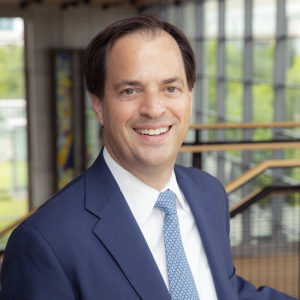
In this episode, hosts Brad and Michael share the story of a seasoned orthopedic surgeon running a family-owned practice. Eager to expand, he brought on a young surgeon with a generous compensation package and the promise of future partnership. But when it came time to formalize the partnership, a shift to a more complex “eat what you kill” compensation model created unexpected friction. Tune in to learn how misaligned financial expectations can derail even the best-intentioned partnerships. Understand how to create a compensation model that aligns with your practice’s goals, document terms clearly, and navigate disputes before they escalate.
Listen to the full episode using the player below, or by visiting one of the links below. Contact ByrdAdatto if you have any questions or would like to learn more.




Transcript
*The below transcript has been edited for readability.
Brad: [00:00:00] Well, welcome back to another episode of Legal 123s with ByrdAdatto. I’m your host, Brad Adatto, with my co-host, Michael Byrd.
Michael: As a business and health care law firm, we meet a lot of interesting people and learn their amazing stories. This season’s theme, Brad, is Unintended Consequences. We sometimes find ourselves in a situation that can be traced back to a seemingly inconsequential or unrelated decision [00:01:00].
Brad: Right. Now, Michael, before we get into today’s story, I want to jump back into sports topic, and we’ve covered this topic a number of times, including this season.
Michael: You mean we talk about sports every week except the weeks we don’t talk about movies.
Brad: I mean, maybe, yes.
Michael: Okay.
Brad: Well, I know we’re a legal podcast, but we have covered the NIL and the impact it is having on college sports. I think maybe five or six times now we’ve actually mentioned it on the show.
Michael: I know. Earlier this season we had Jay on and was talking about the impact it’s having on sports medicine, which was fascinating. We actually got to do the entire podcast on that one, not just our little opening talk. For those that don’t know, in the context of college sports, NIL refers to name, image, and likeness. It allows college athletes to earn money by leveraging their personal brand. This means [00:02:00] they can be compensated for endorsements, appearances, and other activities that kind of use their image. Why are you bringing this up again, Brad?
Brad: Well, since we’ve talked about it so much, I think NIL is the gift that just keeps giving. In case you did not know, Wisconsin is suing Miami over an NIL issue.
Michael: Okay. I’ll buy it. I’m a little curious. NIL deals with players’ rights, as I just said. Why in the world is one school suing another school?
Brad: So I think we’re really getting in entering into now the peak NIL chaos, Michael. So picture this; Wisconsin Badgers football team has this defensive back, Xavier Lucas. Now, Xavier signed a NIL contract – again, allegedly for ideals with Wisconsin. He was obviously the big guy on the campus they recruiting, or at least Wisconsin thought he was the big guy they were recruiting with this NIL agreement.
Michael: You used the word allegedly right [00:03:00] after you said he signed a contract. In this modern time, I think with the way money’s flying around, we can assume that he had himself a contract for an NIL deal.
Brad: I’m sorry. I always just thought we were always supposed to say allegedly before everything, but I…
Michael: We did learn that in law school.
Brad: Yeah, allegedly. We learned that in law school.
Michael: Or it depends.
Brad: Yeah, it depends. All right. Back to the story. The Miami Hurricanes football team, AKA, for those who don’t know the Keyes, they decide it’d be fun to throw some fat stacks of NIL cash like Monopoly money at our friend Mr. Lucas.
Michael: Okay. Well, I doubt that they’re actually flashing cash at them, but this is Miami, so I guess it’s possible.
Brad: Yeah. Well, according to lawsuit, some Miami boosters and staff members from Miami met with Lucas in Florida and promised them that basically the south beach and beyond with a very nice NIL [00:04:00] contract if he transferred.
Michael: I’m picturing him weighing South Beach or Wisconsin college kid. What would he choose?
Brad: Yeah, that’s a tough one. I got nothing against Wisconsin, and maybe it’s because I’ve never actually been there before. But a young buck playing football and he has an opportunity to go to Miami and he’s down there in South Beach with a little cash in his pocket. Yeah, you’re right. It’s hard for them to figure that one out.
Michael: For anyone that’s in our age demographic, this is so on brand with the Miami Hurricanes of the eighties and nineties when they were winning titles. I think they were flashing a lot of cash.
Brad: Yeah. And that’s back when you weren’t supposed to do that. So back to the complaint, Wisconsin decide to file a suit in hopes that – and I’m quoting from the complaint. During this watershed time for college athletes, this case [00:05:00] will advance the overall integrity of the game by holding programs legally accountable when they wrongfully interfere with contractual commitments. So for those who are keeping up, basically Wisconsin lawsuits claiming Miami tortious interference with the contract they had with Xavier.
Michael: For those that did not go to law school and get to learn about what tortious interference with the contract is, it’s kind of what it sounds like. If two parties, Wisconsin and Xavier have a contract for an NIL deal, then if someone else tries to cause that contract to be break under certain circumstances, there’s this theory of law where you can recover damages for tortiously interfering with the contract.
Brad: Yep. And I bet boosters from other big college football programs are now watching this case carefully to determine once an in ideal is inked, is the program protected [00:06:00] from these counter offers?
Michael: I think they need some smart contract lawyers to make these contracts airtight, Brad. Do you know anybody?
Brad: I know someone who might kind of fit that if these contracts are really kind of, they need health care law parts to it.
Michael: Make it really compliant.
Brad: Yes. Well, the real question is, how serious will the court take it? I mean, it is NIL as right now seems like the wild west of the college athletes and who knows? I can’t really truly speculate right now, but a team losing because of an NIL they have lots of problems on top of that. And of course, I guess it’s all fun and games, Michael, until someone does get sued.
Michael: Well, I wish I could say this is the end of us talking about NIL, but I’m sure that we’ll have plenty more to talk about at some point.
Brad: Yeah. And I guess since I’m supposed to, it’s like trying to shoehorn unintended consequences. I’m going to go with unintended cons of NIL and the impact in college programs. And I’m sure as you said, this is just the tip of the iceberg when it comes to the [00:07:00] chaos of this.
Michael: Okay. Well let’s jump into today’s story.
Brad: All right, Michael. Let me walk you through a story. It’s a perfect example of things can get complicated in a medical practice acquisition and partnership. So we’re going to step back. It all start with an orthopedic practice, we’ll call Ortho Miami, and they’re down South Beach. It’s a charming place, right? Next to the ocean, they have great scenes, but they have some big decisions to make for the future.
Michael: So you’re staying on brand with our opening conversation and keeping South Beach going. All right. Brad, what makes orthopedic practices like this unique compared to the other specialties?
Brad: Well, it’s a good question, but generally speaking, if you’re not familiar, orthopedic practice really typically focus on your bones, joints, and ligaments and a lot of physical therapies and surgeries and other type of ancillary services that surround it. However, this practice really was focused on sports injuries. And the owner, Dr. Kane, a seasoned orthopedic surgeon himself, ran it with [00:08:00] his wife and it was more like a family affair, but they had some really big plans on growing it.
Michael: Yeah. So again, maybe young Xavier could go see them if he gets hurt and he gets to play for Miami. But you mentioned kind of this family affair. That’s really common in medical practices. I’d say even more common historically, and it’s become a little bit bigger and more sophisticated over the years, but you can still find a lot of private practices that are small practices that have that mom and pop feel to it because they have spouses that are on staff and kids on staff, et cetera. I’m curious how did this practice plan to grow?
Brad: Well, they needed a future partner and they had their eyes on someone we’ll call Dr. Lucas. He was pretty bright and ambitious, and he was a skilled surgeon from what they could tell. The practice are really eager [00:09:00] to bring him on as an owner some days. So what do you think they did?
Michael: I see the Dr. Lucas – way to bring that name in. I mean, I’m guessing they would’ve offered him something enticing. Maybe partnership track better pay, benefits, those types of things.
Brad: It’s like you’ve done this before, Michael. It’s amazing. Yes, the full monty of benefits. They are some everything they could get them into that practice and they started by giving Dr. Lucas a handsome salary. They want it to look like a nice financial handshake that said, “Hey, we’re serious. Here’s how much we’re willing to compensate you, and here’s the value that we believe that you have so you’ll stick around long term.”
Michael: Okay. Makes sense, secure the talent. How did he find working there?
Brad: Dr. Lucas loved it. He was a busy beaver, enjoyed the work a good rapport with the team, and Dr. Kane, which is obviously very important when you’re trying to find your future partner. But this is [00:10:00] where it kind of gets interesting. Two years later, the practice approached him about the buy-in and becoming a part owner, and they discussed a new compensation model.
Michael: You said he’s a busy beaver. You meant busy badger, right? Wisconsin.
Brad: I don’t know about that one.
Michael: Oh man. You of all people should be rolling “Mr. Dad joke.”
Brad: Well, actually I originally was going to have that in my mind, but then I figured you’d make fun of me, so I was just waiting for you to jump on that one.
Michael: I know my audience – at least my audience in this room
Brad: The audience of one.
Michael: Yes. So you said buy-in. What exactly is the buy-in in this context?
Brad: Yeah. As it relates to the buy-in to medical practice this is a term often thrown around when physicians really want to invest money and time into a practice to actually become partner. Think of it like you might go buy shares of Apple or some other company, but instead of being public traded, you’re buying a private practice here. It often comes with ownership rights and decision making capabilities. And in this case Dr. Lucas was going to buy [00:11:00] in, get 25% of the Ortho Miami. The contract itself had a predetermined formula as to how they were going to come up with the purchase price.
Michael: Yeah. There’s a great debate on that. The thinking of why would you put what the ownership’s going to look like in the contract itself because they’re coming in in this employment role. Well, the pro to doing it this way is that you’re getting kind of a commitment full transparency. Everyone’s on the same page. So you kind of align expectations, not just for the beginning of the relationship when there’s an employer- employee relationship, but what it will look for at least financially into the future once they’re trying to become partners. So [00:12:00] you’ll see this oftentimes in practices, both in the family practices like this, but also in more systemized private practices. So were there any issues with the purchase price?
Brad: No. Actually the formula they used had predicted the buy-in and amount, and Everton actually was happy with the actual purchase price and the timing of it.
Michael: Okay. Got it. You also mentioned that compensation model change, I’m guessing going into some sort of kind of partner level comp, but maybe not. Tell me what changed.
Brad: Yeah, so on the original employment agreement, Dr. Lucas was to receive 50% of all his collections, meaning for audience members. What he billed something, it generated an invoice, and when the practice collected it, he would keep half of that. But when the practice provided Dr. Lucas, the new agreement when he becomes an owner, it had a new term [00:13:00] called net collections, not just collections.
Michael: Okay. So this gets really confusing really fast because there’s a couple of different ways you’ll see these things show up, but let’s start with collections. Collections typically means the money that is coming, cash that’s coming into the practice based on the hands of the doctor, the actual work performed by the doctor. Sometimes there can be some other add-ons to it, but that’s a nice framework to think of it. That’s the work of the doctor money’s coming in. You do the work, money comes in. Used word gross; so that would be just the collections that we just described. Money comes in and you’re calculating the gross. Net gets really confusing. You use that word net because in some contexts, net collections can mean kind of just the cost of goods sold.
[00:14:00] So what was it that – did you use some sort of implant or some other hard cost that had to come out of pocket in order to generate that revenue? So sometimes net collections means that. Other times, especially in a partnership context net collections is actually more like – we’ve used the word eat what you kill model, where you’re actually, “What are the costs that you’re sharing that are going to come out of those collections so it can cover everything?” It can cover overhead of the practice, et cetera, and really start to look much more like an eat what you kill model that we’ve talked so much about in prior episodes.
Brad: Yeah, exactly. And in this case, that was their intent for this to be more like an eat what you kill model. Meaning that in their mind the physician owners take home all their collections [00:15:00] less certain deductions
Michael: And deductions, you mean the expenses of the practice, et cetera. So to Dr. Lucas, the original agreement kept it simple. 50% of what I collect – and this new one sounds more complicated.
Brad: Yeah, exactly. That the words that Dr. Lucas was using, in his mind, this new employment agreement was too complicated because it had all these other factors in it. You were talking about deductions and cogs and other things that he wasn’t used to understanding. This new agreement stated that, again, he gets 50% of the net collections, meaning he’s sharing in certain expenses and deductions that he wasn’t even aware of. The catch was none of these expenses were something he was used to. And Dr. Lucas’s initial understanding, and this is not even how Ortho Miami was currently paying Dr. Lucas. [00:16:00]
Michael: So to be clear, if he was to get 50% of net collections – so all these deductions. He could end up making less money than before because he was getting paid on gross originally, correct?
Brad: Yes. And the practice by keeping him employed, was technically taking a loss paying him. They were paying him, well, obviously, that was their intent. Remember the beginning of the story was to get him in here. They just said, “Oh, we’ll just pay you 50%.” But now they’re realizing they’re operating at a loss based on these original terms.
Michael: So they’re trying to fix the problem and make them a partner and kind of try to do a reset. Well, this seems like a good spot to go to commercial, and when we come back, we can catch up on Dr. Lucas and Dr. Kane and this friction at Ortho Miami. [00:17:00]
Brad: It’s a good pacing. I wanted to double check. I think we have plenty of room. So we have probably 13 minutes left and plenty of content.
Michael: Yeah.
Brad: Our opening was a little long, but that’s fine.
Michael: No. I mean, we’ll have to make sure we use the time we have right now to expand on the different stuff.
Access+: Many business owners use legal counsel as a last resort, rather than as a proactive tool that can further their success. Why? For most, it’s the fear of unknown legal costs. ByrdAdatto’s Access+ program makes it possible for you to get the ongoing legal assistance you need for one predictable monthly fee, that gives you unlimited phone and email access to the legal team so you can receive feedback on legal concerns as they arise. Access+, a smarter, simpler way to access legal services. Find out more, visit byrdadatto.com today.
Brad: Yeah. But there’s a lot of spots that are open for that. Welcome back to Legal 123s with ByrdAdatto. I’m your host Brad Adatto, with my co-host, Michael Byrd. Now Michael, for those who don’t know, this season, our [00:18:00] theme is Unintended Consequences.
Michael: All right. Recap. We have Ortho Miami and Dr. Kane family owned mom and pop type practice doing orthopedics as the name implied. They were ready to bring someone on to start doing some kind of exit planning and they went and recruited Dr. Lucas. It seems at the beginning they were really trying to get him in and paid him well, and perhaps too well, as we started to learn, paying him 50% of collections. Then when it became time to become partner, it was not the buy-in that was the problem, it was the switch to an eat what you kill model on the collections. And that’s kind of where we left off. We had this pressure cooker starting to rise up because there was this realization that [00:19:00] Dr. Lucas was going to make less money as a partner than he was currently making as an employee. So Brad, Dr. Lucas had agreed to terms of his buy-in. Let’s address this issue first as it appears they had found alignment on this part of the employment agreement.
Brad: Yeah. And we have seen situations where the cost to buy-in is not adequately detailed or explained, and that becomes problematic because as you know, Michael, there’s a lot of assumptions there. It actually ends up killing the momentum of bringing someone in just on that piece of the buy-in.
Michael: Yeah. It’s a really tricky conversation because there’s traps or unintended consequences either way you go with it. I have a client that kind of experienced both ends of this issue on the buy-in itself. Our client had originally brought us in to make an employed [00:20:00] physician a partner. And coincidentally, he was also being overpaid, and that was a problem. But the buy-in had not been talked about. So it was cold and so they decided to get evaluation done. The young doctor didn’t agree with the valuation and got his own valuation done, and they were really far apart. So it became a battle of the valuations. Nobody was happy and that doctor ended up leaving over this.
So it was a really stark example to your point, Brad, about it can kill momentum if you don’t have any idea of what that’s going to look like. But what’s really interesting is that our same client when he brought the next doctor in, you could say overcorrected, but it was just really a different strategy of I’m really going to spell it [00:21:00] out. Like I want to know at the beginning that everyone’s on the same page. So it went into great detail about not just the buy in price, but this is what it’s going to look like to be a partner, and this is when it’s going to happen. And what happened was this young doctor who had never been in private practice before, was coming out of school already had a lot to try to process about going into what it’s like to be in private practice, was completely freaked out by all these numbers and expectations, and ended up leaving over not signing the contract at the beginning because it was so overwhelming. It went to probably a worse opportunity because it was something that the doctor could get his arms around. It had a salary to it with a bonus [00:22:00] and didn’t have all this fancy stuff into it. So there’s not a one size fits all. But to your point, it does sound like this practice did a decent job on that. They got alignment on the buy-in. It was just some different issues.
Brad: Yeah. And to your point, I think typically you do see that friction in the buy-in. And I like that your story can happen in two different ways. One, not having one or one being so complicated that a young doc just doesn’t understand, then they’re looking for something more simple that they can understand. But good point there. Actually, strike that from the podcast completely. But back to this, let’s get back into it, Michael. During the negotiations of adding a potential new owner the parties were really focused on the timing and the purchase price and they actually overlooked the compensation piece which obviously in this particular story led to this big dilemma with Ortho Miami and how to deal with their current compensation. The [00:23:00] idea of becoming an owner was great, but now he felt like he was taking a pay cut and that obviously did not work well for him.
Michael: Yeah, I mean, it really is often a death nail to a buy-in. Practices don’t realize kind of the future sacrifice you’re making when you overpay at the beginning and then create this environment where there’s a potential to not make as much as a partner. Let’s take a step back and talk about the compensation models that you’ll see in a private practice.
Brad: To become an owner?
Michael: Yeah, to become an owner. This is that leap moment that Dr. Kane and Dr. Lucas were facing. So we mentioned here eat what you kill model. So it can be either this net [00:24:00] collections concept where it’s a defined term or it can be something a little bit more focused on, “Hey, whatever you bring in, you keep, and whatever the other doctor brings in, they keep, and let’s work out how we’re going to share overhead.” That’s one model and it’s really common. Another way to approach it, kind of the exact opposite of that is this idea of saying, “You know what, we’re just going to work together and we all have roles. Some that are going to generate money and some that have value but may not directly result in compensation.” So we’re just going to split our money, whatever comes in, we’re going to split according to ownership. Now, we may each take a salary or a draw, but it’s truly just sharing the profits of the business. So we kind of call this the communist model where [00:25:00] it’s all going to work out. We’re just going to share – and then kind of in between.
Brad: And just as a clarification, different than this story, those models is typical because all the owners are equal owners too on top of that.
Michael: Yeah. And then kind of the middle enterprise model is a hybrid in some ways in the sense that you want to have a compensation system tailored to reward productivity yet there is something to being a shared ownership. So this can look a bunch of different ways, but in concept, that’s what people are trying to strike is that balance in this kind of enterprise model.
Brad: Yeah. And the enterprise model well added to it is those work really well for organizations that have a lot of ancillaries. So it’s like you said earlier in the compensation, you those who produce the most get paid the most for what work you do. And then these ancillary revenues that [00:26:00] are out there will get pushed down towards the profitability side of it, which is again, in an orthopedic practice, actually a very common model from that perspective.
Michael: Right. So what did Dr. Kane say as to why they were paying him so much?
Brad: He said it was a mistake. Again, they were small practice. It was just he and his wife, they actually never really paid attention to what Dr. Kane was being paid as Dr. Kane was a sole doctor, he was the owner. So basically Dr. Kane was just paying himself the profits as his salary. Kind of like you were kind of talking about a little bit from that perspective. As such when Dr. Lucas joined them, they really weren’t thinking about the cost associated with Dr. Lucas’s practice. They’re only happy in their mind they have another doctor helping them reduce the overhead of Miami Ortho. And furthermore, they never really paid attention as to what was their actual overhead of Miami Ortho. Again, if you’re not really paying attention because you’re always just taking the money out and you bring someone in and you think, “Oh, this is going to help reduce it.” They didn’t realize that once they actually [00:27:00] did look at it, they’re running at a 60% overhead. Well, I think 60% is a pretty common benchmark, particularly for medical practice. It is obviously crucial or critical, if you want to say, to understand your overhead percentage vary and they vary based on the business and the specialty. But in this case, it obviously impacted the overall model.
Michael: This is actually a really common thinking mistake that doctors will have is this idea of, “I’m getting this overhead relief, so it’s good.” So they don’t take a step further. A lot of times the way I’ll hold a mirror up to this is say, “Well, you realize that they’re getting paid better than you’re getting paid because you’re actually having to meet the overhead of the practice. I mean, to your point if the overhead percentage is 60% and you’re getting to keep [00;28:00] 50%, you’re not even making enough to cover the overhead of the practice. Not to mention many practices for taking that risk of employing someone actually want some upside and will make some money off of the employed physicians. This is the opposite.
Brad: Yeah. We have a lot of buddies of ours who are consultants and we’ve seen them talk at different trade shows about compensation. And one of the things they always say is before you actually make that offer as far as how you’re going to pay them, you need to understand your numbers and then your overhead, then what are they going to be generating? Because in this case they did not do this. They just kind of said, “Oh, well, we trust in you and we’re going to give you this money. So again, this is a perfect example of form really did not match the substance of what Miami Ortho really intended to happen because in their mind, this new doctor kind of was helping them and now they realize he’s actually hurting them.
Michael: So what happened [00:29:00] with Dr. Lucas and Miami Ortho?
Brad: Well, after many rounds of trying to work out the differences in the agreements and how Dr. Lewis’s agreement was better than the actual owner’s compensation. So he was getting paid, as you said, better than Dr. Miami. Dr. Lewis was declined ownership and he said he’d be happy to remain as an employee.
Michael: I’ve seen this story play out and it’s a double whammy, right? They’re still there, but they’re still getting overpaid. The whole strategy of bringing on a partner is kind of washed away.
Brad: Yeah. So fast forwarding a little bit since we’re almost out of time, Miami Ortho gave Dr. Lucas his 90 days’ notice of terminating the agreement because he refused to change it because they knew that the relationship to your point, was not going to go where they wanted to, which is like become a partner. And I think this really does highlight the bigger issue that people just resist, they’re changing their mindset. Like no matter what, this works for me, so I’m good with it. This old deal is great, even though it was not [00:30:00] fair. And he knew it wasn’t fair or financially sound for them, but he didn’t want to change that.
Michael: Yeah. It’s so tricky. Psychology, this whole expectations thing. You clinging to the old agreement, even when the landscape shifting and you get new information as to why it needs to change. Why do you think that happens?
Brad: Yeah. It’s human nature, right? People like stability, they’re often emotionally invested. Plus it’s the bias of, “Well, we’ve always done it that way, Michael.” Or the fear change and I think that lead leads to unintended consequences like this case. Michael, we got just 30 seconds left. Final thoughts?
Michael: Yeah. I mean, you can connect this story to the story we talked about on the NIL. I mean, expectations are a beast, especially expectations when it comes to money. Wisconsin thought they were going to keep their Lucas and had a commitment and when he left, they decided to sue over it. So you can just see where the unintended [00:31:00] consequences can take a turn when money’s involved.
Brad: Absolutely. Well, audience members next Wednesday show we’re back and we’ll continue to discuss unintended consequences with independent contractor agreements. Thanks again for joining us today. And remember, if you like this episode, please subscribe, make sure to give us a five star rating and share with your friends.
Michael: You can also sign up for the ByrdAdatto Newsletter by going to our website at byrdadatto.com.
Outro: ByrdAdatto is providing this podcast as a public service. This podcast is for educational purposes only. This podcast does not constitute legal advice, nor does it establish an attorney-client relationship. Reference to any specific product or entity does not constitute an endorsement or recommendation by ByrdAdatto. The views expressed by guests are their own, and their appearance on the program does not imply an endorsement of them or any entity they represent. Please consult with an attorney on your legal issues.